As an Amazon Associate, we earn from qualifying purchases. Some links on this site are affiliate links at no extra cost to you. Our recommendations are based on thorough research and editorial judgment.


A Brief History of Field, Pilot, and Dive Watch Design

Field, pilot, and dive watches have rich histories rooted in military needs for reliable timekeeping. Field watches originated from pocket designs used in WWI and evolved for durability, often meeting military specs like MIL-W-46734. Pilot watches emerged during WWI, prioritizing legibility and advanced mechanics. Dive watches, starting with the Rolex Oyster case in 1926, introduced critical water resistance technology. These timepieces remain popular, blending functionality and style, making them essential for outdoor enthusiasts and professionals alike. Discover more details about these fascinating designs.
Key Takeaways
- Field watches originated from military pocket watches, evolving during WWI with models like trench watches for reliable wrist timekeeping.
- Pilot watches emerged in WWI, transitioning from pocket to wrist designs, prioritizing legibility and robustness for aviators.
- Dive watches gained credibility with the Rolex Oyster case in 1926, establishing water resistance standards essential for underwater exploration.
- The transition to digital and smartwatches in the 1980s introduced new functionalities while keeping analog tool watches relevant today.
- Modern outdoor watches, including field and dive models, blend durability and functionality, appealing to varying budgets and consumer needs.
Origins of Field Watches
The origins of field watches can be traced back to the practical demands of military service, specifically stemming from the use of pocket watches in the early 20th century. As warfare evolved, so did the need for more accessible timepieces. Early models, referred to as Campaign, Wristlet, and Service watches, featured added lugs for wrist attachment, transforming pocket watches into convenient instruments. Following World War I, trench watches gained traction and further popularized wristwatches. During the Second World War, the “Dirty Dozen” set visual standards for military watches, emphasizing simplicity and legible dials. These designs, influenced by military specifications, became crucial for troops, leading to advancements in the watch industry, like the durable MIL-W-46734 standards, which guaranteed reliability in various combat conditions. The focus on durability and functionality in military watches has influenced modern designs, incorporating features such as shock resistance and water resistance, which are now key elements in the development of heavy-duty watches.
The Rise of Pilot Watches

During WWI, a crucial need for reliable and readable timepieces emerged as pilots faced increasing challenges in the skies. This led to the rise of pilot watches, evolving from pocket to wrist designs for practicality. Iconic models, like the Breguet Type XX in the 1930s, featured robust builds and clear dials, ensuring legibility during flight. WWII marked a golden age for military aviation, with the IWC Mark XI becoming standard for the RAF due to its antimagnetic movement and clear markers. In the post-war era, pilot watches expanded into civilian markets, incorporating innovations like automatic movements and chronographs from brands like Rolex and Omega. Today, modern pilot watches emphasize legibility and durability, utilizing advanced materials and Eco-Drive technology for multifunctional use.
Recommended Products

AUTOMATIC MOVEMENT: Swiss H-10 movement with 80-hour reserve ensures consistent performance. Experience precision that matches both daily tasks and adventures, a testament to Swiss craftsmanship in automatic timekeeping.


In collaboration with famed Brazilian artist Thiago Rosinhole, Bulova's legendary Lunar Pilot chronograph is revisited for Bulova's 150th Anniversary, combining Bulova's legacy of precision timing with Rosinhole's unique style of fusing street art and pop culture for this new limited-edition Lunar Pilot timepiece
Early Innovations in Dive Watch Design

In the domain of horology, early innovations in dive watch design marked a significant leap forward in underwater exploration technology. The Rolex Oyster case, patented in 1926, introduced a screwed-down crown and caseback, establishing standards for water resistance in dive watches. In 1931, Cartier’s Tank Tanche emerged as the first water-resistant watch before 1943, showcasing innovative design. Omega’s 1932 Marine featured a hermetic seal, enabling testing to 135 meters depth. Post-World War II, the surge in scuba diving led to specialized models, particularly the Rolex Submariner in 1954, which included a unidirectional timing bezel. Additionally, the Blancpain Fifty Fathoms, developed in 1953 for 50 fathoms of operational depth, became iconic, especially after Jacques Cousteau wore it during explorations. In recent times, dive watches like the Seiko Prospex Hybrid have continued this tradition of innovation by incorporating hybrid displays and solar-powered technology, offering both style and practicality for modern underwater adventures.
Recommended Products

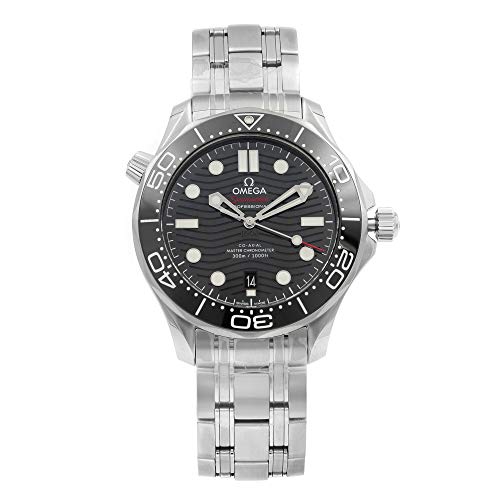
Omega Seamaster Automatic Chronometer Black Dial Men's Watch 210.30.42.20.01.001

Omega Seamaster Automatic Black Dial Men's Watch 210.32.42.20.01.001
Military Development and Popularity of Field Watches

While many people may not realize it, field watches have played an essential role in military history, evolving significantly since their inception. Originally derived from pocket watches, these wristwatches gained prominence during World War I, becoming vital for military units needing reliable timekeeping. The British Ministry of Defense’s “Dirty Dozen” style, introduced in WWII, set visual standards for field watches, representing rugged dependability. This era saw the issuance of wristwatches for both ground and airborne personnel, with models like the Hamilton Khaki Field watch, recognized for its 24-hour track and military specification GG-W-113. As military contracts dwindled in the 1980s, field watches shifted to the civilian market, retaining their practical appeal and solid reputation among watch enthusiasts. Nowadays, water resistance ratings are crucial when choosing a field watch, ensuring they can withstand various environmental conditions.
Recommended Products

Intel Core i5 2.60 GHz processor provides great performance, immersive multimedia and rapid loading of programs
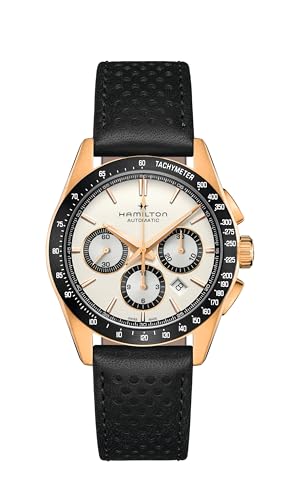
AUTOMATIC MOVEMENT: Swiss H-31 automatic chronograph movement provides a 60-hour power reserve, ensuring consistent and precise performance—a testament to Swiss craftsmanship, ready for both daily tasks and adventures.

AUTOMATIC MOVEMENT: Swiss H-21-Si chronograph movement with a 60-hour power reserve and innovative silicon balance spring, delivering precision and reliability—a testament to advanced Swiss craftsmanship.
Post-War Enhancements in Dive Watches

As scuba diving surged in popularity following World War II, the demand for specialized dive watches blossomed, leading to significant advancements in design and functionality. Significantly, the Rolex Submariner, introduced in 1954, set new standards for diving watches, boasting high visibility hands and a uni-directional timing bezel for enhanced utility. The postwar era also saw the emergence of features like screw-down crowns, ensuring greater water resistance. Technological advancements enabled innovations such as the helium escape valve, addressing the needs of deep-diving professionals. The Blancpain Fifty Fathoms, famously worn by Jacques Cousteau, also contributed to this evolution. In conclusion, these enhancements solidified dive watches as essential tools, combining practicality with style, making them indispensable for serious divers. Rubber strap dive watches, such as those with quick release mechanisms, have also evolved to meet the demands of adventurers and water lovers, offering the convenience of easy strap changes without tools.
Recommended Products

Model 220.12.38.20.03.001

Tudor Pelagos LHD Lefty Automatic Black Dial Men's Watch 25610TNL-BKSTI

Date Feature at 3 O'Clock with Even Numbered Days Displayed in Red and Odd Numbered Days in Black
Notable Models: The A-11 and Dirty Dozen
Significant in the domain of military timepieces, the A-11 and the Dirty Dozen exemplify the pinnacle of functionality and design during their respective eras. The A-11, crafted by Bulova, Waltham, and Elgin in the 1940s, is renowned as the “watch that won the war,” featuring a hackable movement for precise military coordination. In 1945, the Dirty Dozen emerged, a collection of twelve brands like Buren and IWC, known for their waterproof capabilities and marked with “W.W.W.” Both models emphasize legibility and durability, ensuring peak performance in challenging conditions. Collectors value the Dirty Dozen for its historical significance, often seeking to complete sets. Watches like the Timex Expedition Scout offer modern durability and style while being affordable for adventurers. Overall, these wristwatches remain essential to any military watch enthusiast’s collection.
Recommended Products

Self-contained ever glow tritium-vial lamps; Titanium case is light, strong, and hypoallergenic; high water resistance feature set.

From the Bulova Archive Series, the MIL-SHIPS-W-2181 is based on a prototype that was never commercially launched, making 2021 the first time watch enthusiasts will have the opportunity to own this luxury timepiece.

✔𝐌𝐈𝐋𝐈𝐓𝐀𝐑𝐘 𝐔𝐃𝐓 𝐃𝐈𝐕𝐄 𝐖𝐀𝐓𝐂𝐇 𝐇𝐄𝐑𝐈𝐓𝐀𝐆𝐄: The PRAESIDUS A-5 UDT is a true udt dive watch inspired by WWII Underwater Demolition Teams. Designed as a professional dive watch and military watch, it reflects authentic naval history while delivering modern performance for collectors and adventurers.
The Influence of Water Resistance in Dive Watches
Water resistance stands as a cornerstone feature in the world of dive watches, ensuring they survive the pressures of underwater exploration. The Rolex Submariner, introduced in 1954, revolutionized this terrain with its Oyster case, designed to prevent water ingress at significant depths. Early models like Omega’s Marine utilized hermetic seals to achieve notable water resistance. The Military Submariner 5517 improved underwater timing with a graduated bezel insert tailored for military divers. Meanwhile, the Rolex Sea-Dweller addressed helium infiltration during deep-sea missions, enhancing safety for divers. Modern examples, such as the Sinn U1 and Breitling Aeromarine Avenger Seawolf, continue this tradition, showcasing impressive durability and water resistance. A 100-meter water resistance rating (10 ATM) is ideal for swimming and snorkeling but not suitable for scuba diving, which requires higher resistance levels. Collectively, these advancements highlight the crucial influence of water resistance in dive watch design.
Evolution of Field Watches in Modern Conflicts
The evolution of field watches in modern conflicts demonstrates their adaptability and enduring importance in military settings. Initially crafted from pocket watches to meet the rugged demands of military personnel, field watches like Hamilton’s GG-W-113 emerged in the 1980s, featuring an inner 24-hour track for improved legibility. The Vietnam War introduced the MIL-W-46734 specification, which inspired models such as the Benrus DTU-2A/P, emphasizing durability and functionality. As modern materials became prevalent, military contracts decreased, prompting civilian adoption of versatile designs like Marathon General Purpose watches. Today’s field watches blend tactical specifications with civilian style, continuing to symbolize reliability across various activities, from outdoor adventures to everyday wear. Many of these watches are crafted with hypoallergenic materials to ensure comfort and safety for those with sensitive skin. Pricing generally ranges from $200 to $1,000, depending on the model and features.
The Transition to Digital and Smartwatches
A notable shift in watch technology began in the 1980s with the introduction of digital tool watches, such as the G-SHOCK and Timex models. These watches gained popularity due to their rugged design and advanced features, including timers, alarms, and backlighting. As the 21st century unfolded, smartwatches emerged, incorporating GPS and altimeters, transforming them into multifunctional devices. Brands like Garmin and Breitling led this evolution, offering real-time data tracking and health monitoring, enhancing their utility for both civilians and military personnel. Despite this digital revolution, analog tool watches remain relevant, with manufacturers like Marathon continuing to provide durable and dependable options. The progression highlights a blend of tradition and innovation, allowing users to choose based on their specific needs. Affordable smartwatches today offer fitness tracking capabilities and customizable designs, providing budget-conscious consumers with feature-rich experiences without compromising style or functionality.
The Enduring Appeal of Outdoor Timepieces
Outdoor timepieces, revered for their rugged functionality and robustness, appeal to adventurers and professionals alike. These watches, including renowned models such as the Rolex Explorer and dive watches like the Rolex Submariner, are built to withstand extreme environments. Designed to meet military specifications, modern field watches emphasize durability, practicality, and nighttime legibility. Military influences set high visual standards, while dive watches from brands like Blancpain and Omega excel in underwater exploration. The evolution of pilot watches, with models like the Breitling Navitimer, integrates essential navigation calculations. Innovations in materials and quartz movements have kept outdoor timepieces relevant. For enthusiasts, a solid choice may range from $300 to $10,000, depending on the features and heritage, ensuring there’s a watch for every adventure. Business casual watches, such as those from brands like BUREI, blend style and professionalism, making them suitable for both formal and informal attire.
Frequently Asked Questions
What Is the History of Field Watches?
Field watches originated as military timepieces, evolving through designs emphasizing durability and functionality. Iconic models emerged, incorporating materials like stainless steel and nylon, while influential designers shaped modern interpretations, reinforcing their status as versatile, reliable companions.
What Is the History of the Pilot Watch?
The history of pilot watches reflects aviation watch evolution, emphasizing legibility and durability. Influenced by military aviation, iconic models from brands like IWC and Breitling integrated navigation technology and complications essential for pilots’ needs.
What Watches Did Navy Seals Wear in Vietnam?
In the turbulent waters of Vietnam, Navy SEALs relied on Tudor Submariners, distinguished by tactical watch features such as the “Snowflake” handset. These iconic military timepieces symbolized reliability, blending underwater innovations with rugged military watch evolution.
What Are the 5 Original Flieger Brands?
The five original Flieger brands are IWC, A. Lange & Söhne, Stowa, Laco, and Sinn. They shaped Flieger watch origins, adhering to B Uhr specifications, influenced by Luftwaffe design, emphasizing military usage and instrumented timepieces, with modern interpretations emerging.


