As an Amazon Associate, we earn from qualifying purchases. Some links on this site are affiliate links at no extra cost to you. Our recommendations are based on thorough research and editorial judgment.

How to Size a Metal Bracelet Without Scratching Links

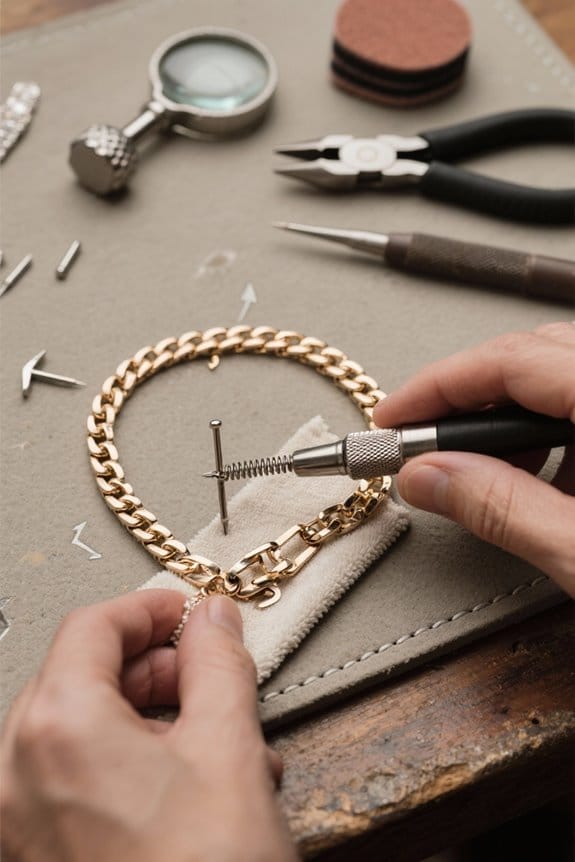
To size a metal bracelet without scratching links, use essential tools like a watchmaker screwdriver set (1.2mm to 1.6mm), non-magnetic tweezers, and a watch-working block. Start by laying a soft cloth on your workspace. Secure the bracelet and carefully remove links with the screwdriver, organizing screws in a safe container. Remember to fit the bracelet frequently to guarantee comfort and avoid overtightening. Proper care of tools and the bracelet guarantees longevity; further insights can enhance this process.
Key Takeaways
- Use a soft cleaning cloth to protect bracelet links and your work surface from scratches during resizing.
- Secure the bracelet in a watch-working block with flathead screws facing up for easy access and stability.
- Utilize non-magnetic tweezers to handle small screws and pins, minimizing scratches on the bracelet’s surface.
- Remove links gently using a watchmaker screwdriver, avoiding excessive force to protect the links from damage.
- Test the bracelet’s fit frequently during resizing, ensuring comfort without risking contact that could scratch the links.
Essential Tools for Sizing Bracelets
When it comes to sizing a metal bracelet, having the right tools is vital for a successful outcome. Key items include a watchmaker screwdriver set, ideally in sizes from 1.2mm to 1.6mm. This range is critical for unscrewing links without damaging the bracelet’s finish. Non-magnetic tweezers are also advisable, as they minimize the risk of scratches when handling small pins and screws. To protect the bracelet and work surface, a soft cleaning cloth should be placed beneath the bracelet. Additionally, using a watch-working block made of plastic or wood provides a stable base, safeguarding against scratches during the resizing process. When properly equipped, this toolset guarantees a smooth and clean resizing experience. To maintain the gold plating on your bracelet, avoid using harsh chemicals and store it in a dry, protective place when not in use.
Recommended Products
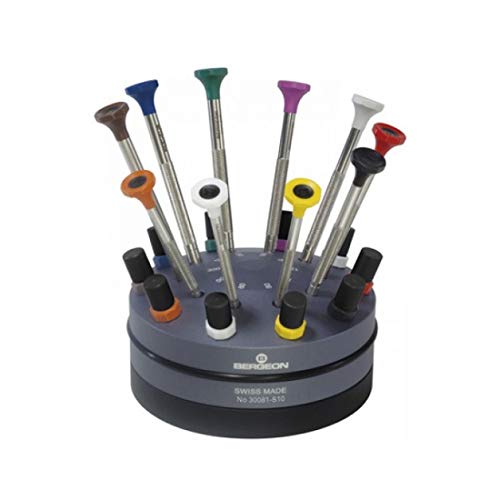
Bergeon 30081-S10 set of 10 screwdrivers which combine technical quality and comfort in use.

10 flat chrome plated brass screwdrivers

30081-S09 Rotating Base with Screwdriver and Bits
Preparing Your Workspace

Preparing the workspace is a fundamental step before starting on the task of resizing a metal bracelet. First, select a stable, clean surface and cover it with a soft cloth to prevent scratches and provide cushioning. Next, gather essential tools, such as a watch-working block, screwdrivers, and a container for removed links, ensuring they are within easy reach to streamline your workflow. Adequate lighting is vital, as it enhances visibility, helping to see small components clearly and minimizing the risk of mishaps. To further protect against unintentional scratches, utilize masking tape around the working area. Hypoallergenic options are important to consider when working with jewelry, especially for those with sensitive skin. Finally, maintaining a calm and distraction-free environment allows for focused work, reducing the chances of accidental slips.
Understanding Different Bracelet Types

Understanding the various types of metal bracelets is key for anyone looking to resize or adjust them effectively. Metal bracelets generally fall into two categories: screw-in links and push pins. Screw-in links utilize tiny screws, making them user-friendly for home bracelet sizing. In contrast, push pins require tools for removal, which can be more cumbersome. Each bracelet features removable links that may be fastened by either screws or pins, differing by brand and model. Additionally, understanding clasp types, such as box, lobster claw, or toggle, is crucial for successful clasp adjustment. For a proper fit, it’s essential to measure the bracelet and identify any adjustment features like half-links or extenders, providing further customization options. Many adjustable bracelets cater to various wrist sizes with length options typically spanning from 5 to 11 inches, ensuring they fit for all wrist sizes.
Recommended Products

【BOLD & UNIQUE DIAL DESIGN】The R9011A mens automatic watch breaks the mold with a colorful graffiti-style dial full of personality. A 1.5mm real diamond and an 18K gold “R” logo at 12 o’clock add a touch of luxury to this bold design. The square case is set with 40 multicolor zircon stones, including standout accents at 6 and 9 o’clock. Featuring luminous hands and a date window, this watch for men perfectly blends practicality with unique street style. Designed to help you stand out.

Just swap, click and go with interchangeable 20 mm wide bands for your compatible watch

Stainless steel case 40mm diameter x 14mm thick; Exhibition case back; Black dial; Luminous hands and hour markers
Step-by-Step Guide to Removing Links

Removing links from a metal bracelet can seem challenging, but with a methodical approach, anyone can achieve a perfect fit. Start by laying a soft cloth on a stable surface to protect the bracelet links from scratches during the process. Secure the bracelet in a watch-working block, ensuring the flathead screws face up for easy access. Use a watchmaker screwdriver, ideally around 1.2mm or 1.6mm, to carefully remove screws from the links without applying excessive force that could cause damage. To keep everything organized, place the screws in a small container. After detaching the links, flip the bracelet so you can work on the top side, maintaining balance and preventing scratches while making further adjustments for that perfect fit. Consider regular maintenance of your reversible pendant necklace to prolong its life and keep it looking fabulous.
Recommended Products

Bergeon 30081-S09 watchmakers and jewelers straight blade screwdriver set includes Bergeon's new-generation, stainless steel screwdrivers. Bergeon screwdrivers are built to high specifications and top standards and all blades are tempered and finely ground to exact specifications. The revolving base conveniently holds the screwdrivers and the spare blades.

01.020-A - Set of 5 watchmakers screwdrivers - Comes in a plastic box with cut foam - 0.60 - 0.80 - 1.00 - 1.2 - 1.4 mm

Artikelname the puffin classics story collection 10 books set the extraordinary cases of sherlock holmes, jungle book, peter pan, a little princess, alice's adventures wonderland, more .
Protecting Your Bracelet During Sizing
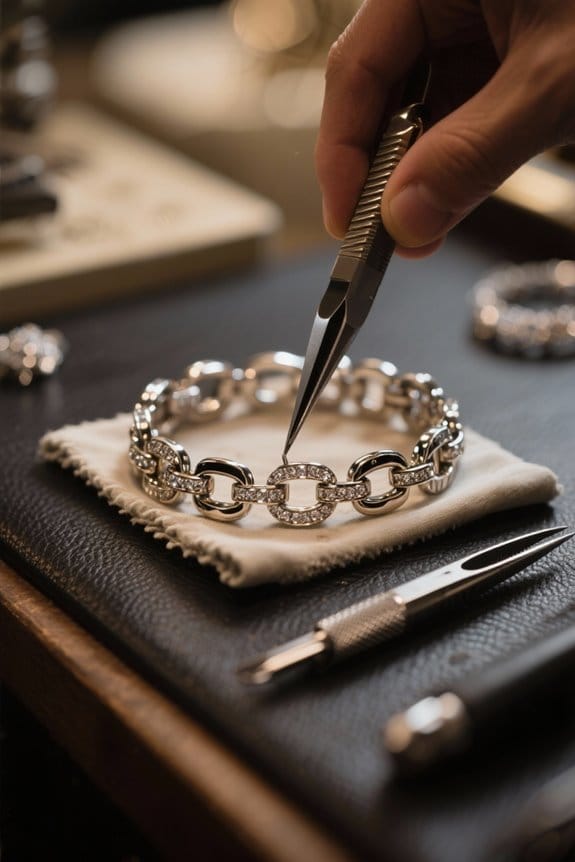
How can one effectively safeguard a metal bracelet during the resizing process? To protect the bracelet and its links from scratches, using a soft bracelet block made of plastic or wood is critical. This will hold the bracelet securely, minimizing movement. Additionally, wrapping masking tape around the edges of the bracelet links creates a protective barrier against scuffs and scratches while working. Many curb chain bracelets are crafted from durable materials like 316L stainless steel, which offers water resistance and hypoallergenic properties. A soft cleaning cloth should be laid beneath the bracelet to cushion any accidental drops, reducing potential damage. Working in a clean, well-lit area allows for clear visibility of the bracelet and tools, enhancing safety. Ultimately, gentle handling of tools guarantees that only gradual force is applied, preserving the bracelet’s finish throughout the resizing process.
Final Adjustments for a Comfortable Fit
After taking the necessary precautions to protect the bracelet during the resizing process, attention turns to ensuring a comfortable fit. It’s important to try the bracelet on your wrist after removing links to assess its fit, aiming for slight movement without excessive tightness. Using the distal phalanx of your index finger can help gauge comfort. Focus any adjustments on the bottom side, or 6 o’clock position, to maintain an even appearance. Incorporating half-links can provide finer adjustments, avoiding the pitfalls of over-removing links. The ultimate goal is achieving a balance that allows some movement on the wrist while ensuring the bracelet looks stylish and sits correctly. Taking these steps will enhance comfort and visual appeal. Stainless steel chains, known for their hypoallergenic properties, are a great choice for individuals with sensitive skin, providing both comfort and style.
Alternative Methods for Non-Permanent Adjustments
Exploring alternative methods for non-permanent adjustments can be a game changer for those looking to resize their metal bracelets without committing to permanent changes. Options include using decorative safety pins or charms to secure excess length, adding charm while preserving integrity. Another method is to create a temporary loop with elastic bands threaded through the last link, allowing reversible adjustments. Additionally, existing removable links can be utilized for adjusting sizes without damage. Individuals may also consult with a professional jeweler for recommendations on removable extenders or fold-over clasps. These methods not only facilitate a comfortable fit but also help avoid scratches, ensuring the bracelet remains visually appealing and intact. Prices for these solutions vary but remain budget-friendly. Love knot rings symbolize eternal love, making them ideal for deep relationship connections, and like bracelets, they too can benefit from proper sizing and care to maintain their beauty and symbolism.
Recommended Products

YOUNG, SMART & UNCOMPLICATED - The Cub takes care of your watch with ease. Six sides perfectly proportioned to encase your timepiece safely and precisely. With two winding modules, never miss a beat in your busy life.
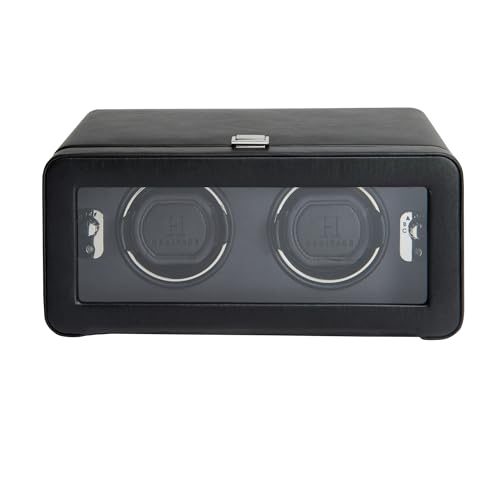
WATCH WINDER - Retro shapes and colors make Windsor a perfect companion for your timepieces. This winder includes two winding modules, a glass cover, smooth black vegan leather, purple textured silk lining & chrome-finished hardware.

AQUOS Haswing Cayman B (NOT GPS) 12V 55LBS 54inch Bow Mount Trolling Motor is designed and engineered to run quieter than ever before. With variable speed will let you dial in your desired speed and provide more precise, smoother adjustments plus improved control. Moreover the variable speed is the lower power consumption of the motor, it can increase battery life quite a bit at any speed. Also the trolling motor suitable for boats weighing up to 2750LBS, Max boat length (suggestion) 18ft.
Tips for Maintaining Your Tools and Bracelet
Maintaining tools and a metal bracelet is essential for ensuring a successful resizing process and preserving the integrity of the jewelry. Regular cleaning of watchmaker screwdrivers with a soft cloth prevents dirt buildup, which can lead to scratches during adjustments. Tools should be stored in a dedicated toolbox with compartments to protect against corrosion and misplacement, keeping them in prime condition. Inspect tweezers and other tools for damage, as bent tips can scratch delicate bracelet links. To protect your bracelet during sizing, apply masking tape on your work surface edges. Finally, always handle the bracelet with clean hands or gloves, minimizing oil transfer that can cause tarnishing or scratches. Prioritize maintenance for lasting quality.
Recommended Products

【 Six Adjustable Expansion Sizes】The expansion cone is available in six different sizes, allowing for precise adjustments to accommodate various bracelet and bangle dimensions. This versatility makes it an essential tool for jewelers and DIY enthusiasts.

【OLEVS Automatic Watch for Men】No need to use battery, self-winding mechanical movement. durable and comfortable men's watch, The strap is made of 316L stainless steel, which is strong and not easy to break.adjustable black/silver/gold Stainless Steel Strap is very comfortable to wear. if the strap length is not enough, you can contact us through Amazon to get the link.

Material: Hand press bending machine is made of tool steel,with heavy body and stable base,so it is safe and firm when working.
Frequently Asked Questions
How to Size a Metal Bracelet?
To size a metal bracelet, employ specific sizing techniques, including link removal. Utilize recommended tools for precision. Adjust the fit carefully to guarantee comfort, while prioritizing bracelet care to maintain its condition and appearance.
How to Shorten a Metal Bracelet Without Cutting It?
To shorten a metal bracelet without cutting it, utilize link removal techniques, recommended tools like a watchmaker screwdriver, and consider alternative fitting solutions. Proper bracelet resizing methods guarantee jewelry maintenance while preserving the integrity of the links.
How to Make a Watch Tighter Without Removing Links?
To tighten a watch, one might employ a chameleon-like adjustable clasp, utilizing DIY techniques and bracelet extenders. Temporary solutions and basic resizing tools can seamlessly secure the watch without permanently altering its form.
What to Do if a Metal Bracelet Is Too Big?
When a metal bracelet is too big, one can employ DIY sizing methods such as using bracelet adjusters, adjusting bracelet links, or utilizing bracelet sizing tools to achieve a more comfortable fit effectively.