As an Amazon Associate, we earn from qualifying purchases. Some links on this site are affiliate links at no extra cost to you. Our recommendations are based on thorough research and editorial judgment.


Layering Necklaces 101: Lengths, Spacing, and Balance

Layering necklaces requires attention to lengths, spacing, and balance for an eye-catching look. Start with a solid base, like a 14″ choker, and layer longer pieces gradually. Maintain a minimum 2-inch length difference to prevent tangling; using 3-4 inches for dramatic effects is ideal. Mix statement and delicate pieces, placing bold ones around 18-20 inches for focus. Various metals and textures add diversity. Explore different styles, and you’ll discover even more tips and tricks for perfect layering.
Key Takeaways
- Choose varying necklace lengths to create dynamic layers, with shorter pieces (14″-16″) as base layers and longer pieces for added depth (20″+).
- Maintain a minimum 2-inch length difference between necklaces to prevent tangling and highlight each piece distinctly.
- Position statement necklaces (18″-20″) in the center layer for emphasis, while delicate chains serve as contrasting accents.
- Experiment with mixed metals and textures to enhance visual interest and sophistication in your layered look.
- Utilize extenders and specialized clasps to manage necklace lengths, ensuring a comfortable fit without overlap or movement.
Understanding Necklace Lengths for Layering
Understanding the various necklace lengths is essential for anyone looking to create a stunning layered look. Different lengths serve specific purposes in layering techniques. A 14″ choker hugs the neck, providing a solid base layer that can symbolize connection or intimacy. The 16″ length rests at the collarbone, making it a versatile choice for layering essentials. An 18″ necklace falls just below the collarbone, ideal for gifting. Meanwhile, 20″ to 22″ pieces add visual depth that enhances overall aesthetics. For dramatic flair, longer necklaces, such as those measuring 24″ or more, introduce contrast and anchor layers below. By thoughtfully selecting these lengths, individuals can express personal style while embracing necklace symbolism through design and layering. When layering, consider including adjustable chain lengths to allow for customizable fits and diverse styling options.
Recommended Products

Design: Combines rustic Auburn Stained wood with distressed black metal accents and clear seeded glass, featuring premium finishes and authentic materials that create rich textures for transitional chandelier applications

PRODUCT DETAILS:- Material: Primary - Purity:14K|Finish:Polished|Length of Item:20 in|Chain Length:17 in|Chain Type:Cable|Chain Width:0.7 mm|Charm/Element Length:13.5 mm|Charm/Element Width:7.1 mm|Clasp /Connector:Spring Ring|Extender Length:3 in|Feature:Hollow|Manufacturing Process:Stamping|Width of Item:0.7 mm|Necklace Type:Rosaries|Gender:Unisex|Texture:Diamond-cut|Material: Primary - Color:Yellow|Number of Elements:61

ROPE CHAIN NECKLACE: The durable gold layer prevents tarnishing, and the exquisite satellite chain design, adorned with interspersed metal spheres, exudes elegance. Hypoallergenic and suitable for all skin types, this high-quality piece is a timeless statement of refined simplicity.
Effective Spacing Principles for Necklaces

Spacing necklaces effectively is essential for achieving a striking layered look that showcases each piece. A minimum of 2-inch differences in length is ideal to prevent tangling and allow each necklace to shine individually. For those looking for a more dramatic appearance, tiered spacing with 3-4 inches between layers creates a stunning cascading effect. To enhance visual depth, prevent rubbing and damage, and utilize necklace extenders to achieve balanced proportions. Tighter spacing works for shorter layers, while longer chains should rest below to minimize overlap. By experimenting with these spacing principles, wearers can create appealing layered dynamics that emphasize every charm and pendant, resulting in an attractive, eye-catching display that complements any outfit. For proper care and maintenance, avoid exposure to harsh chemicals and water, and store necklaces separately to prevent tangling and scratching.
Balancing Statement and Delicate Pieces

Layering necklaces can easily fall into chaos without careful consideration of each piece’s role within the ensemble. A thoughtful statement piece selection serves as the focal point, ideally positioned in the middle layer at 18–20 inches. This contrasts beautifully with a lightweight base necklace at 14-16 inches. To create harmony, delicate accent integration is vital; adding fine chains or subtle charms as longer layers helps balance boldness without competing for attention. This blending allows for a visually stunning effect while maintaining comfort. Opt for matching metals for coherence, or mix them for a fresh approach. Limiting the stack to one statement piece guarantees overall balance, making the layered look effective and polished. Aim for simplicity to avoid overwhelming effects. Consider high-quality packaging when selecting necklaces, especially if planning to gift them, as it adds significant value for special occasions.
Recommended Products

A TIMELESS STAPLE FOR EVERYDAY WEAR: Elevate every outfit with this simple yet sophisticated rope chain for both women and men. Each link is expertly twisted and interwoven, creating a dynamic texture that catches light elegantly.

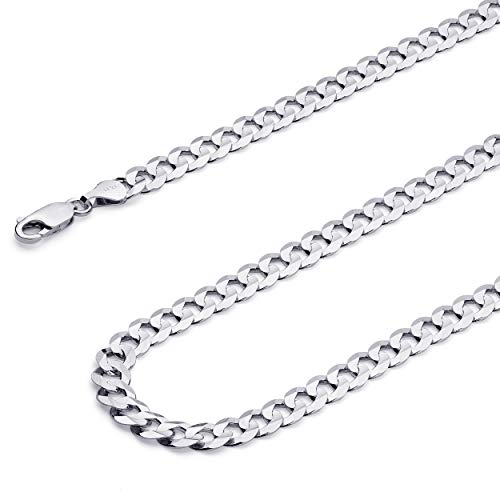
Solid 14k white gold: from 14 karat white gold with a polished finish
Mixing Textures and Metals for Diversity

When creating an engaging necklace stack, one may discover that mixing textures and metals adds an exciting layer of complexity to the overall look. The interplay of mixed metals, like gold, silver, and rose gold, introduces striking contrasts that enhance any outfit’s sophistication. By combining various chain types—such as bold rope chains with delicate paperclip styles—textured contrasts prevent tangling while adding depth. This layering approach allows for visual intrigue through varying shines and textures, creating a play of light and shadow. Using one base piece in gold with complementary silver accents can flatter all skin tones. To start experimenting, one might choose two bangles in one metal and one in the contrasting metal for a beginner-friendly introduction to stacking creativity. Additionally, incorporating durable metals like 925 sterling silver can ensure that the layered necklaces maintain their shine and longevity, making them suitable for everyday wear.
Recommended Products

Premium Material — Crafted from solid 10k gold (not hollow or plated) for lasting shine, strength, and resistance to tarnish.

EXQUISITE & HIGH QUALITY - These genuine, solid 14K gold chains are made of utmost quality by skilled craftsmen and stamped with 14K. 14K gold is 14 parts pure gold, which is mixed with alloys to add strength and durability. It is both comfortable and durable, yet elegant.

EXQUISITE & HIGH QUALITY - These genuine, solid 14K gold chains are made of utmost quality by skilled craftsmen and stamped with 14K. 14K gold is 14 parts pure gold, which is mixed with alloys to add strength and durability. It is both comfortable and durable, yet elegant.
Best Necklace Types for Layering

A diverse selection of necklace types can substantially enhance the art of layering, allowing individuals to express their unique styles. Chain types, such as rope, Cuban, and paperclip, provide an excellent base, allowing for various textures and weights. Mixing these different chains generates visual interest; layering them in order of thickness guarantees a balanced appearance. Pendant styles serve as focal points, often placed on longer chains, while combining small and large pendants establishes a visual hierarchy. Chokers and short necklaces make ideal foundational layers due to their simplicity. Bold necklaces make dramatic statements, balancing lighter layers effectively. Consider integrating gold and silver mixes for added intrigue while guaranteeing spacing between layers to maintain clarity. Prices vary widely, appealing to different budgets. Sterling silver necklaces are ideal for elevating jewelry collections due to their versatility and elegance.
Recommended Products
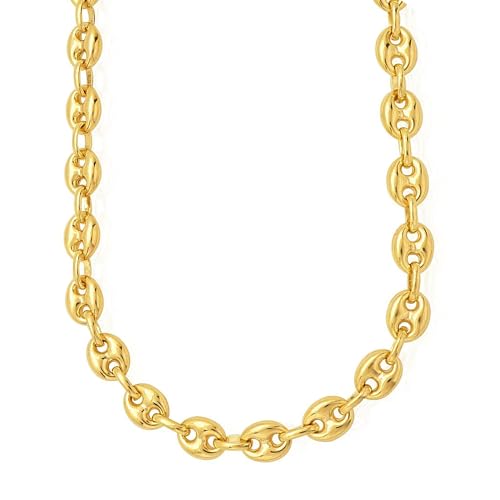
This chain is made with real 14k yellow gold and is stamped with the appropriate 14k metal stamp

This chain is made with real 14k yellow solid gold and is stamped with the appropriate 14k metal stamp
Genuine 14K Yellow Gold: Expertly crafted from real, premium 14-karat yellow gold and authenticated with an official "14K" metal purity stamp for long-lasting luxury.
Practical Tips to Avoid Tangling
To keep necklaces untangled and looking their best, employing practical tips can make a significant difference. Utilizing extender benefits can adjust necklace lengths, reducing overlap and preventing twisting. Opting for lobster clasps over spring ring clasps offers a better grip, minimizing unwanted movement. For added security, specialized layered necklace clasps can hold multiple chains together neatly. Avoid identical-length necklaces to limit tangling risks. Storage solutions include individual pouches or soft-lined compartments, which keep chains separated. Implement handling techniques by putting on necklaces from shortest to longest while clasping them before layering. Regularly checking chains during wear can help maintain alignment and prevent twists, ensuring a sophisticated look without the hassle of tangles. Hypoallergenic materials are essential for comfort, particularly for those with sensitive skin, ensuring your layered necklaces remain irritation-free during wear.
Creating Dimension With Layered Necklaces
Creating dimension with layered necklaces involves more than simply stacking chains; it requires a thoughtful approach to length, texture, and proportion. Utilizing dimension techniques like varying necklace lengths by at least 1-2 inches creates a cascading effect, adding visual interest. Combining different chain textures, such as smooth and twisted, prevents layers from blending, enhancing depth and variety. Balancing weight is also vital; heavier pieces usually sit as middle or bottom layers for stability, while lighter chains gracefully top the stack. Adding statement pieces as focal points provides exciting visual anchors. Ultimately, layering essentials include mixing pendant sizes to create depth and spacing them to maintain clarity. These strategies guarantee each element is distinct and contributes to an appealing overall look. To ensure longevity and appearance, durable materials such as hypoallergenic brass and 14K gold plating are often used in dainty layered necklaces.
Choosing the Right Neckline for Your Layers
Selecting the right neckline for layered necklaces can substantially enhance an outfit’s overall aesthetic. Different neckline styles, like high necks or V-necks, require specific layering techniques for peak effect. High necklines benefit from long necklaces (16 inches or more) to visually break up fabric expanses. Conversely, V-necks pair well with drop necklaces that mimic their shape, enhancing the silhouette. Scoop and strapless necklines should feature rounded necklaces or chokers, respectively, to emphasize softness or bare skin. Crew necklines offer minimal space, so delicate layers just below the clavicle work best. By selecting the appropriate necklace types and lengths according to these guidelines, individuals can achieve a balanced and visually appealing look, embracing layered styles with confidence. Consider using hypoallergenic designs to ensure comfort for individuals with sensitive skin, elevating the overall layering experience.
Experimenting With Layering Styles and Looks
How can one transform a simple outfit into a chic statement with layered necklaces? Experimenting with layering styles allows individuals to showcase personal style through various techniques. Mixing metals, such as gold, silver, and rose gold, adds an eclectic flair that feels modern. Layering different textures, like rope and chain, enriches the visual appeal. Combining chunky chains with delicate pendants provides contrast and prevents uniformity. Pre-layered sets can simplify the process while personalized pieces like initials or birthstones introduce individuality. To avoid tangling, varying necklace lengths is essential. Balancing heavier pieces with lighter chains keeps the look comfortable. With prices ranging from $20 to $100+, anyone can explore these techniques and elevate their accessory game effortlessly. When selecting necklaces for layering, consider hypoallergenic options to ensure comfort for all-day wear, especially if you have sensitive skin.
Frequently Asked Questions
Can I Layer Necklaces With Different Pendant Styles?
Yes, different pendant styles can be layered effectively. Employing layering techniques, individuals can combine unique shapes and materials, ensuring balanced visual weight and spacing, which enhances each pendant’s individuality and overall aesthetic appeal.
How Do I Clean Layered Necklaces Without Damaging Them?
To clean layered necklaces without damaging them, one should follow proper necklace care techniques, including using mild soap, soft brushes, and avoiding harsh chemicals, ensuring thorough but gentle cleaning tips for maintaining their shine and quality.
What Materials Are Best for Long-Lasting Layered Necklaces?
Durable chains made from stainless steel, 14K gold, or high-quality gold plating are ideal for long-lasting layered necklaces. These materials guarantee both resilience and aesthetic appeal, making them suitable for everyday wear without significant degradation.
Are There Any Specific Occasions for Wearing Layered Necklaces?
Layered necklaces are versatile for both casual outings and formal events. They can elevate a simple outfit during day-to-day activities and add sophistication to attire at black-tie affairs, showcasing personal style across various occasions.
How Do I Store Layered Necklaces to Prevent Tangling?
To achieve tangle-free storage, individuals may employ necklace organizers, utilizing methods such as soft pouches, individual wrapping, or hanging solutions, ensuring each piece remains isolated and untangled within the domain of their jewelry collection.


