As an Amazon Associate, we earn from qualifying purchases. Some links on this site are affiliate links at no extra cost to you. Our recommendations are based on thorough research and editorial judgment.

Stone Basics: Cubic Zirconia Vs Crystal Vs Glass Vs Lab Gems

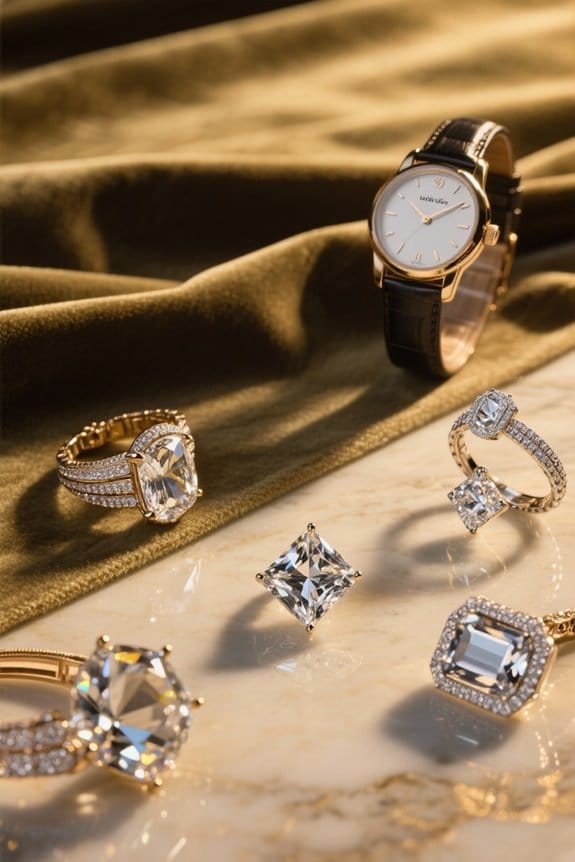
Cubic zirconia, crystals, glass, and lab-created gems each have unique qualities. Cubic zirconia scores 8.5 on the Mohs scale, offering high durability and brilliance. Crystals are defined by their geometric structures and range from 5 to 7 in hardness. Glass, softer at 5-6, lacks depth and brilliance. Lab-grown gems mimic natural stones, providing authenticity at lower prices. Each option has its pros and cons, giving consumers plenty of choices for style and budget. Explore the specifics of each further for informed decisions.
Key Takeaways
- Cubic zirconia is a durable synthetic stone with a Mohs hardness of 8.5, often used as a diamond substitute due to its brilliance.
- Crystals have unique structures that enhance their luster and hardness, varying significantly in quality and durability, like quartz rated at 7.
- Glass is an amorphous solid and economical, but softer (Mohs 5-6) and lacks the brilliance and depth found in genuine gems.
- Lab-created gems have identical crystal structures to natural stones, offering affordable and eco-friendly alternatives without compromising on beauty.
- Cubic zirconia outshines glass in sparkle while lab-grown gems offer ethical options, both enhancing the diversity of gemstone choices.
Understanding Cubic Zirconia
Cubic zirconia, commonly referred to as CZ, has become a popular alternative to diamonds in the world of jewelry. This synthetic gemstone, made from zirconium dioxide, is celebrated for its high brilliance and clarity, closely mimicking diamonds. With a Mohs hardness rating of 8.5, cubic zirconia exhibits impressive durability, making it suitable for everyday wear, though it falls short of natural stones, like diamonds, which score a perfect 10. CZ is known for its exceptional optical properties, including greater dispersion, resulting in a “rainbow effect” under certain lighting. Unlike diamonds, which possess a unique chemical composition of carbon, cubic zirconia is man-made and can come in various vibrant colors, providing diverse options for jewelry lovers at lower costs. Hypoallergenic materials, such as surgical stainless steel, are often used in cubic zirconia stud earrings to cater to those with sensitivities while maintaining style and comfort.
Characteristics of Crystal

In the world of gemstones, crystals stand out due to their unique and structured atomic arrangement, a feature that sets them apart from materials like glass. These solid materials exhibit distinct crystal structures, giving them unique geometric shapes and facets. Crystals possess notable physical properties, including varying Mohs hardness levels, such as quartz at 7, which contributes to their durability. Their optical properties, characterized by a significant refractive index, enhance their luster, making them sought after in jewelry. Crystals can be both natural, formed through geological processes, or synthetic stones created in labs to imitate these gems. Understanding these characteristics helps consumers make informed choices when selecting authentic crystals versus imitation stones for their collections. Moonstone rings, like those crafted from 925 sterling silver, exemplify how gemstone quality and design play a crucial role in creating sophisticated and durable jewelry.
Recommended Products

Gemstone Centerpiece: Features a 12x10 mm oval-shaped Smokey Quartz weighing 4.50 carats, cut for brilliance and clarity.

Gemstone Centerpiece: Features a 9x7 mm oval-shaped natural Smokey Quartz gemstone, weighing 1.75 carats, symbolizing elegance and sophistication.
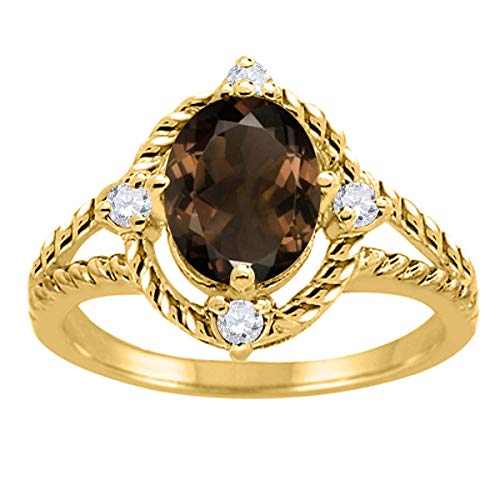
Gemstone Centerpiece: Features a 9x7 mm oval-shaped natural Smokey Quartz gemstone, weighing 1.75 carats, symbolizing elegance and sophistication.
The Nature of Glass

While glass may not possess the crystalline structure of gemstones, it serves as a versatile and economical alternative in the jewelry market. This non-crystalline amorphous solid is made primarily from silica, enhanced with various additives to improve its properties. Glass can effectively imitate gemstones, offering vibrant colors at a low cost. However, its hardness, rated 5-6 on the Mohs scale, makes it more susceptible to scratches and damage compared to natural stones. Additionally, the optical properties of glass often lack the depth and brilliance seen in genuine gemstones. Various types, such as lead glass and colored glass, could be used for imitations, though they may be recognizable by their distinctive characteristics and reduced quality in comparison to lab-created or natural gems. Hypoallergenic jewelry features stylish, comfortable options suitable for everyday wear, made from materials like surgical steel and sterling silver that prevent irritation for those with sensitive skin.
Overview of Lab-Created Gems

Lab-created gemstones represent an exciting advancement in the world of jewelry, providing consumers with an alternative to traditional stones. These lab-created gems are synthetic stones produced in controlled environments, utilizing methods like flame fusion and hydrothermal growth to replicate the chemical compositions and physical properties of their natural counterparts. This results in gems with identical crystal structures, making them nearly indistinguishable from traditional options in appearance and quality. Typically, they are more affordable, offering a cost-effective choice without sacrificing beauty. Additionally, these environmentally-friendly gems consume fewer natural resources, reducing the mining impact on the environment. Certification for lab-created gems is common, ensuring buyers can trust in the authenticity and value of their purchases, making them an appealing option for today’s consumers. Hypoallergenic materials are often used in the crafting of affordable statement rings, ensuring comfort for individuals with sensitive skin.
Recommended Products

A Gorgeous Man Made Diamond Set in a Gorgeous Solitaire Setting, we guarantee you will absolutely love it. With over 10000 listings, we guarantee you will absolutely find something for your special someone.

EYE CATCHING - This stunning 3 Carat Oval-cut Lab Grown Diamond Ribbon Halo Ring with around 34 Side Diamonds with a total weight of 0.50 carats steals the show as it dazzles in simplicity. The diamond is set in an ultra-chic 14k Rose Gold 4-prong setting. There is no better way to display her class and sophistication while showing the world she is spoken for than with a diamond engagement ring

This stunning Pendant is a piece of jewel that will certainly amaze you.
Comparing Properties of Each Material
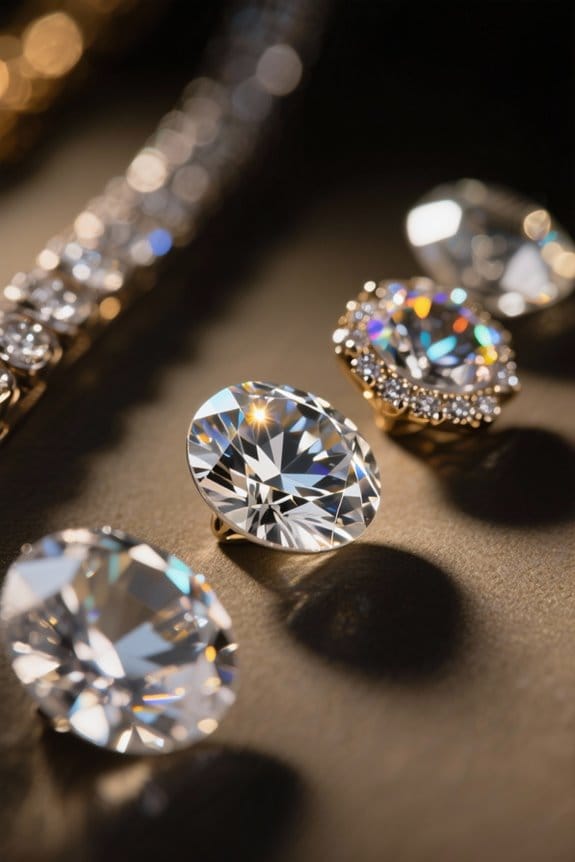
A comparison of various materials—cubic zirconia, crystals, glass, and lab-grown gems—reveals distinct properties that influence their use in jewelry. Cubic zirconia boasts a Mohs hardness of 8.5, making it more durable than glass, which is softer and more prone to scratching and damage. Crystal, composed of natural gemstones, features a well-defined structure that enhances its hardness and color. In contrast, lab-grown gems share the same chemical composition as natural stones, providing equal brilliance and durability. The optical properties of cubic zirconia, with a higher refractive index and dispersion, result in greater sparkle compared to glass. Ultimately, cubic zirconia serves as a compelling diamond simulant, while lab-grown gems excel in value and authenticity. Many cubic zirconia pieces are crafted from hypoallergenic materials for comfort, suitable for wearers with metal allergies.
Recommended Products

【Material】 Necklace: 18k gold pendant with 18k gold chain; 18k gold earrings (In real gold, Not just a covering of gold-plated ) ; Stone: Cubic Zirconia. These women gold jewelry are Nickel-free and high-quality.


This 14K Rose Gold Shoe Birthstone Necklace is customized for you w/ your choice of birth month. There are 10 stones measuring 1.3mm each on each side of the pendant and 3 more stones on the bail. All are made from Pure Brilliance Zirconia & Pure Brilliance Gemstones (See CAD image for details). This necklace comes complete with a 22” adjustable box chain with a lobster clasp.
Choosing the Right Gem for Your Needs
Selecting the right gem for personal jewelry can considerably impact both the aesthetic and pragmatic aspects of the piece. Cubic zirconia stands out as a durable synthetic option, boasting a Mohs hardness of 8.5, ideal for everyday wear. Lab-grown gems offer similar chemical composition as natural stones, presenting an ethical choice that is often more affordable than traditional gems. In contrast, crystal—typically quartz or fine glass—delivers visual appeal but has a lower hardness of 5-7, making it less durable. Finally, glass serves as a gemstone imitation but falls short with a Mohs hardness between 4.5 and 6. Consequently, consumers should weigh factors like durability, visual requirements, and budget when choosing, with cubic zirconia or lab-grown gems often recommended for fine jewelry. For those considering jewelry options, hypoallergenic properties of materials are crucial for those with sensitive skin.
Recommended Products

Handmade Gold Heart pendant featuring an elegant open design with a Solid Gold Curb Concave Chain Necklace

💎 HIGH QUALITY - Everyday Elegance specializes in quality solid gold jewelry with sparkling Cubic Zirconia stones. Our craftsmanship is what you expect in the finest jewelry. These secure, sturdy earrings are perfect for everyday wear with a traditional styling that everyone should have in their jewelry wardrobe. They will go as beautifully with a cocktail dress as with denim, or be equally appropriate working in an office or in a laundry room. Sleep, swim, play, live in them!

【Material】 Metal: 75% pure gold ( in 18k real gold, not just a covering ), Stone: cubic zirconia; This fine gold jewelry for women is Nickel-free and Hypoallergenic.
Frequently Asked Questions
Are Lab-Grown Diamonds Better Than Cubic Zirconia?
Lab-grown diamonds surpass cubic zirconia in durability, clarity, and ethical considerations. While more affordable than natural diamonds, their resale value remains strong. The environmental impact and popularity of lab gems elevate their quality comparison against alternatives.
What Is the Hierarchy of Gemstones?
In the grand spectacle of gemstone classification, natural beauties reign supreme, flaunting rarity and market value; synthetics simmer below, while imitations pose humorously as jewels. Hardness scales and color variations make the hierarchy irresistibly entertaining.
What Is a Poor Man’s Diamond?
A “poor man’s diamond” refers to economical diamond substitutes like cubic zirconia, offering stunning clarity ratings and sparkling options. It represents jewelry affordability, challenging gemstone myths and aligning with fashion trends for budget-conscious consumers seeking durability.
What Is Better, Crystal or Cubic Zirconia?
When comparing crystal and cubic zirconia, cubic zirconia’s durability, light reflection, and enhanced appearance often outweigh crystal’s affordability and clarity. Consumer preferences highlight aesthetic value, ethical considerations, and customization options, influencing maintenance requirements and popular uses.