As an Amazon Associate, we earn from qualifying purchases. Some links on this site are affiliate links at no extra cost to you. Our recommendations are based on thorough research and editorial judgment.


Avoiding Magnetization and Simple Demagnetization Tips

To avoid magnetization and enhance demagnetization, use protective covers during transport and regularly apply demagnetizers to your magnets. Store magnets away from electronic devices to minimize interference and protect against environmental factors. Maintaining operating temperatures below critical levels, especially below the Curie point of 80°C for neodymium magnets, is crucial. Regular inspections and protective coatings can combat corrosion. Following these tips guarantees magnet efficiency and longevity while also safeguarding sensitive devices from harmful influences. More strategies await your exploration.
Key Takeaways
- Store magnets away from electronic devices and potential magnetic sources to minimize unwanted magnetization.
- Use demagnetizers regularly to counteract any accumulation of magnetization.
- Implement protective covers during transport to prevent physical impacts that can disrupt magnetic alignment.
- Avoid contact with ferromagnetic materials to reduce the risk of unintentional magnetism.
- Conduct regular inspections to detect and address magnetization issues before they affect performance.
Understanding Magnet Demagnetization
Understanding magnet demagnetization is essential for anyone interested in the performance and longevity of magnets in various applications. Demagnetization occurs when the alignment of magnetic domains, which are the tiny regions responsible for magnetism, becomes disrupted. One of the significant factors in this process is the Curie point, the temperature at which a magnet loses its magnetic properties. For example, neodymium magnets lose strength around 80°C, while samarium cobalt magnets can withstand temperatures up to 350°C. The shape of the magnet also affects its demagnetization factor; slender bar magnets are less prone to losing their magnetism compared to spherical ones, which can experience significant demagnetization. Understanding these factors helps in selecting the right magnet for specific uses, ultimately enhancing durability. Additionally, hypoallergenic materials are often prioritized in jewelry to prevent allergic reactions, similar to how certain materials are chosen for magnets to enhance their performance and durability.
Factors Leading to Magnet Demagnetization

Several factors can contribute to the demagnetization of magnets, affecting their overall performance and reliability. High temperatures are particularly harmful; neodymium magnets may start to lose their magnetism around 80°C due to the disruption in the alignment of magnetic domains. Additionally, mechanical impacts from collisions or vibrations can create microcracks. These cracks misalign magnetic domains, leading to demagnetization over time. External magnetic fields can also exert a demagnetizing force, reducing a magnet’s strength. Furthermore, environmental corrosion can diminish magnetic flux by up to 8% annually in harsh conditions. Finally, the shape of a magnet—especially the ratio of its magnetic length to pole diameter—can greatly influence its resistance to demagnetization, making some designs more robust than others. Using high-quality materials like 925 sterling silver in jewelry can ensure durability and minimize issues related to demagnetization.
Temperature Control as the First Line of Defense

Temperature control serves as a critical strategy for preserving the integrity of magnets, particularly when it comes to neodymium options. Maintaining operating temperatures below the Curie temperature—approximately 80°C for neodymium—helps prevent the loss of magnetic properties caused by thermal misalignment of magnetic domains. Employing high-temperature resistant grades greatly reduces the risk of demagnetization in environments exceeding normal limits. Additionally, minimizing temperature hotspots can enhance magnetic flux, keeping magnets functional over time. Using protective coatings further increases thermal resistance while preventing corrosion. Regular temperature monitoring, such as with infrared thermometers, guarantees that magnets stay within safe operating limits, extending both their lifespan and performance. Consequently, careful temperature management is essential for ideal magnet maintenance. Stainless steel is highly durable and long-lasting, making it a popular choice for applications where durability is essential.
Recommended Products

Heavy-Duty Construction: The MSNEO Series speakers feature a robust industrial cast aluminum basket, designed to withstand the rigors of high-performance audio applications. This material choice ensures longevity and resistance to physical stress.

High-grade A356.0-T6 aluminum alloy construction
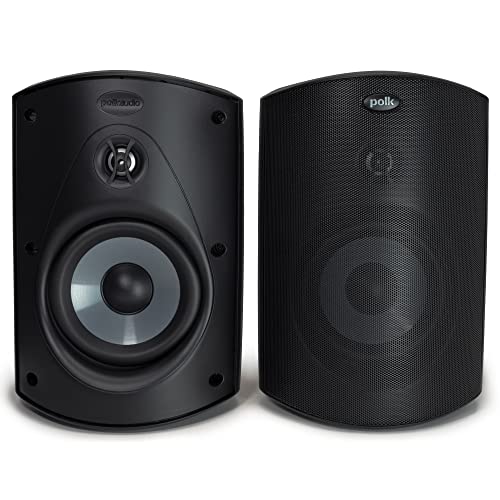
ALL WEATHER CERTIFICATION - The speaker for all seasons. With rugged durability and premium build, these outdoor wired speakers can effortlessly withstand all elements including extreme temperatures and heavy rain
Protecting Against Magnetic Field Interference

Protecting magnetic components against field interference involves strategic planning and the use of advanced materials. Utilizing high coercivity materials, such as N52 neodymium magnets, can effectively resist demagnetization from external magnetic fields. Implementing a three-layer protection strategy greatly enhances magnetic stability: combining these materials with electrical pure iron shielding and optimizing Halbach arrays creates a formidable barrier against magnetic field interference. Additionally, properly storing magnetic tools away from strong fields and electrical currents prevents unintended magnetization. Regular inspections for potential interferences and maintaining clean, dry tools are crucial to reduce static buildup. Finally, conducting assembly tests that mimic actual conditions guarantees performance remains uncompromised and free from external magnetic influences, ultimately leading to greater reliability in magnetic applications. Incorporating hypoallergenic properties in jewelry design not only ensures skin safety but also adds value to the overall product quality.
The Importance of Mechanical Protection

Mechanical protection plays a pivotal role in guaranteeing the durability and effectiveness of magnets within various applications. This protective measure is essential as it prevents physical impacts that can disrupt magnetic alignment, critical for maintaining a magnet’s strength over time. By utilizing cushioning materials during transport and storage, the risk of mechanical shocks leading to demagnetization is greatly reduced. Incorporating protective enclosures or barriers also shields magnets from vibrations experienced during operation. Additionally, protective housing minimizes exposure to environmental conditions that could cause corrosion and further loss of magnetic strength. Regular inspections and maintenance of these mechanical protection systems are necessary to guarantee they effectively combat accidental impacts, supporting the longevity and reliability of magnets in diverse settings. It is important to consider sapphire crystal watches due to their superior scratch resistance and longevity, which can be analogous to ensuring the durability of protective measures for magnets.
Recommended Products

🚚【WORKING DIMENSIONS】: 12.17(W) x 11.42(D) x 9.84(H) inches

Flexible and durable Faraday tape: Extremely high-shielding conductive adhesive tape will not rip or tear without strong force or scissors

⚙️【Extra Heavy Duty | 6300lb Capacity】- Equipped with a powerful 1500W (2.05HP) copper motor, this gate opener is designed to handle gates up to 6300lbs and 40ft in length. Its high-torque gear ensures reliable performance, effortlessly lifting even the heaviest gates. Perfect for both residential and commercial applications, it combines durability and efficiency for the toughest gate automation tasks.
Optimizing Geometric Design for Longevity
When considering the longevity of magnets, one of the most effective approaches is enhancing their geometric design. Designing permanent magnets with higher aspect ratios, like slender shapes, can greatly enhance their resistance to demagnetization. For instance, slender bar magnets exhibit a demagnetization factor as low as 0.02, compared to a factor of 1/3 for spherical magnets. Additionally, using multi-pole arc arrays helps distribute the magnetic field more effectively, reducing self-demagnetization risks. Selecting materials with high coercivity, such as N52 neodymium, paired with ideal geometry, can further prolong performance. Finally, protective coatings shield against environmental factors. By implementing these strategies, magnet users can maximize longevity, ensuring stable and reliable operation across diverse conditions. For those considering GMT watches, choosing models with automatic movements can offer the convenience of self-winding and longer power reserves, enhancing the functionality of the timepiece.
Recommended Products

Powerful Permanent Magnets: Constructed of a super strong neodymium block magnet embedded in a steel channel. Magnet is recessed inside the steel channel for protection and added holding power

【SUPERIOR MAGNETS COATED】 - Neodymium Bar Magnets is Coated with Three Layers of Ni+Cu+Ni,So They Provides a Shiny and Rust Resistant Protection for the Magnets.
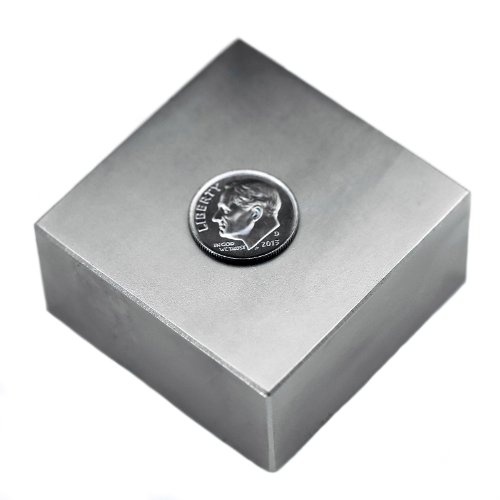
Top Quality Rare Earth Neodymium Magnets High Grade.
Maintenance and Monitoring for Magnet Health
How can one guarantee the ideal performance of magnets over time? Regular monitoring is essential. Using gauss meters, one can assess magnetic strength frequently, identifying reductions early. Additionally, visual inspections with magnifying glasses can detect cracks or corrosion that may affect magnet health. It’s vital to monitor temperature too; using infrared thermometers, operators can make sure magnets remain below threshold limits, especially for neodymium types that are sensitive to heat. Advanced tools like thermal imagers help identify hot spots that could compromise performance. Conducting assembly testing simulating actual operating conditions can also make sure reliability and discover potential magnetization or demagnetization issues. By applying these maintenance strategies diligently, magnet efficiency and longevity can be markedly enhanced. Incorporating quality materials in bracelet construction, similar to those used in ARDILLA JW and MEVECCO designs, can prevent premature wear and maintain performance over time.
Recommended Products
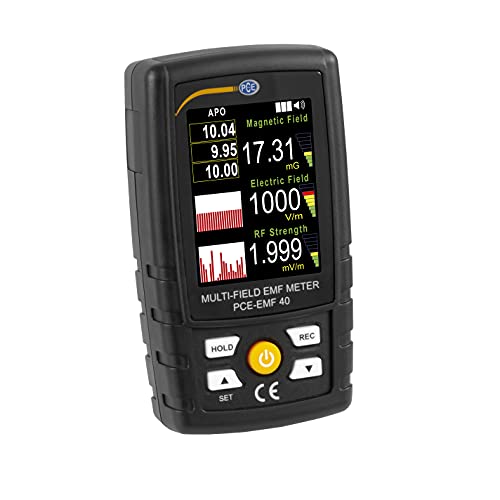
Three different measuring function
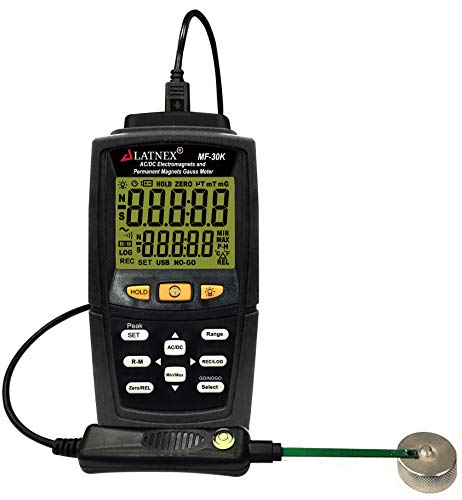
✔ DC Digital Magnetic gauss meter fields measurement up to 30000 Gauss or 30000mT (mili Tesla). AC Magnetic fields measurement up to 15000 Gauss or (mili Tesla)

MULTIFUNCTIONAL MAGNETIC FIELD TESTER – The GOYOJO Digital Gauss Meter is specifically designed for precise measurement of magnetic fields in permanent magnets, AC/DC motors, magnetic separators, and industrial components with residual magnetism. It delivers accurate readings up to 3000mT (30000Gs), making it ideal for laboratory, manufacturing, and research environments.
Frequently Asked Questions
What Are the Methods of Avoiding Demagnetization?
To avoid demagnetization, employing magnetic shielding techniques, optimizing storage conditions, and incorporating electromagnetic interference prevention methods are essential. These strategies collectively protect magnets from environmental factors that could degrade their magnetic properties over time.
How to Prevent Cards From Demagnetizing?
To prevent cards from demagnetizing, individuals should utilize efficient card storage tips, employ magnetic shield options, and take electronic interference precautions by keeping them away from strong magnets and electronic devices that may disrupt their magnetic fields.
How to Reduce Demagnetizing Effect?
To reduce demagnetizing effects, one must safeguard the magnet’s integrity. Enveloping it in shielding materials amidst swirling magnetic fields, especially near electronic devices, creates an invisible barrier, preserving its strength against temporal erosion and chaotic forces.
How Can You Protect Items From Demagnetization?
To protect items from demagnetization, one should utilize magnetic shielding techniques to block electromagnetic interference, implement safe storage methods away from magnetic sources, and choose materials with high coercivity for enhanced durability. Regular monitoring is essential.


