As an Amazon Associate, we earn from qualifying purchases. Some links on this site are affiliate links at no extra cost to you. Our recommendations are based on thorough research and editorial judgment.


Evaluate Finishing and Build Quality at a Glance

To evaluate finishing and build quality, assess craftsmanship, materials, and compliance with regulations. Look for smooth wall surfaces and properly aligned flooring within tolerances of ±3mm. Investigate the builder’s reputation and guarantee they are RERA-registered for transparency. Check construction materials, focusing on quality cement and high-grade steel. Don’t overlook sustainable practices, which can enhance efficiency. A thorough inspection can reveal the building’s durability and aesthetic appeal, guiding informed decisions on property purchases. More insights await you ahead.
Key Takeaways
- Inspect the finishing quality for smooth, uniform surfaces, and well-aligned flooring to assess craftsmanship and aesthetics.
- Verify builder credentials through reviews, RERA registration, and previous project visits for reputation evaluation.
- Evaluate materials used in construction for compliance with industry standards, focusing on cement quality and structural integrity.
- Check for proper ventilation and natural light access to promote comfort and well-being in living spaces.
- Ensure adherence to sustainable practices and legal compliance, including building codes and regular inspections for safety standards.
Understanding the Importance of Finishing Quality
Finishing quality is a vital aspect of construction that greatly impacts the overall aesthetics of a home and its potential resale value. High finishing quality reflects a strong attention to detail, showcasing craftsmanship in aspects such as plastered surfaces. These should adhere to strict tolerances, ensuring deviations remain within a ±3mm standard for visual appeal. Moreover, external finishes, like fair-faced masonry, must present uniformity, as NHBC standards require consistency when viewed from ten meters away. Interior paint finishes also hold importance, needing to be smooth and free from imperfections. Professional snagging inspections are essential to identify and rectify any issues, guaranteeing compliance with established standards and delivering a home in ideal condition. Ensuring top-quality finishes adds significant value to any property. It’s important to note that hypoallergenic materials in construction and design, similar to those used in jewelry, can enhance comfort and appeal for homeowners with sensitivities.
Assessing the Builder’s Reputation and Credentials

When purchasing a home, evaluating a builder’s reputation and credentials is essential for ensuring a satisfactory investment. To assess this, potential homeowners should research online reviews and customer feedback to gauge satisfaction levels. Ensuring that the builder is registered with the Real Estate Regulatory Authority (RERA) fosters transparency and accountability in their practices. Visiting completed projects provides a firsthand look at the quality of craftsmanship and materials used, critical indicators of a builder’s capability. Notable developers like Prestige Group and Godrej Properties have established a strong track record of delivering quality projects. Evaluating the builder’s industry history, financial stability, and absence of past legal disputes can greatly enhance buyer confidence in making a well-informed decision. Material Quality is a crucial aspect when considering the craftsmanship and durability of a builder’s projects.
Evaluating Structural Integrity

Evaluating the structural integrity of a building is essential to guaranteeing its long-term safety and durability. To achieve this, one must verify that materials such as cement and steel meet industry standards and are sourced from reputable suppliers. Consulting a structural engineer can provide insights into the foundation’s strength, especially in earthquake-prone areas, where adherence to seismic building codes is critical. Inspecting for signs of stress helps assess how well the design performed historically. Reviewing structural designs and engineering reports guarantees compliance with safety standards. Checking wall alignment and load-bearing elements, along with reinforcement compliance, are pivotal steps in prioritizing the stability and security of the structure. Ultimately, a thorough evaluation promotes confidence in a building’s lasting integrity. Additionally, it’s essential to consider using stainless steel for its durability and resistance to corrosion, which can significantly enhance the longevity of structural elements exposed to harsh environments.
Inspecting the Quality of Construction Materials

Quality in construction materials serves as the backbone of a building’s longevity and performance. To guarantee that the quality of materials meets industry standards, it is essential to check the quality of high-grade steel, ideally TMT bars, for their tensile strength. Likewise, verifying the quality of cement—whether Ordinary Portland Cement (OPC) or Pozzolana Portland Cement (PPC)—is vital for optimal performance. A proper mix ratio of cement, sand, and water should be maintained to prevent structural weaknesses. Additionally, inspecting the uniformity and durability of bricks and blocks can help avoid future problems. Builders must provide verifiable sourcing information for materials to ensure that the quality aligns with compliance and longevity standards, safeguarding the building’s integrity for years to come. It’s also important to consider water resistance ratings when selecting materials for construction in areas prone to flooding or water exposure, as this can significantly affect the durability and safety of the structure.
Recommended Products


A36 steel offers good strength, high durability, easy weldability, and is the most common low-carbon structural steel.

Thickness and width varies, you choose size
Checking Finishing and Detailing

Checking the finishing and detailing of a construction project is essential for ensuring each component embodies both craftsmanship and functionality. Inspecting walls for smoothness without cracks or water leakage is fundamental, indicating quality workmanship. Floors need tiles installed with precision, free from gaps or alignment issues, showcasing attention to finishing details. Additionally, doors and windows should consist of high-quality materials, aligned correctly for both aesthetics and efficiency. Plumbing fixtures and electrical fittings must meet safety standards, avoiding any discrepancies. Evaluating these elements reflects the overall commitment to excellence. Each aspect, from flooring to fixtures, contributes considerably to the project’s success. As a result, proper installation and meticulous attention to detail are imperative for achieving high-quality results that stand the test of time. For jewelry, gemstone quality assurance is crucial to ensure satisfaction and enhance the value of the investment.
Recommended Products

Rubber Top - Better Choice for Home Gym: You will like the rubber top because the common EVA foam mats are too soft or flimsy for your home gym and all rubber fitness mats were too expensive. This double-layer mat is the perfect solution for working out at home, you will get the softness and affordability of the EVA foam with the sturdiness of the rubber layer on top

➤【Mesmerizing 3D Infinity Effect】: Transform any space with our 3D LED floor tiles, featuring a captivating infinity effect that creates a futuristic and immersive atmosphere, perfect for events, performances, and decorative lighting.

【High Technology】YIXZSWD LED digital signage features a cutting-edge 80" × 26" screen with precise P1.86MM pixel pitch and 344 × 1032 LED resolution. This high-resolution display delivers sharp text, vivid video and saturated colors, making the LED poster perfect for eye-catching advertising in retail shops, trade shows, wedding venues and corporate events.
Assessing Waterproofing Measures
Successful finishing and detailing in construction projects lay the groundwork for evaluating waterproofing measures, which are crucial for maintaining a building’s integrity. Effective waterproofing includes a well-installed drainage system, like French drains, to prevent moisture buildup around foundations. Utilizing high-quality waterproofing membranes, such as liquid-applied or sheet varieties, is essential in blocking moisture intrusion, especially in basements. Proper grading of the landscape enhances water runoff and mitigates pooling. Regularly inspecting gutters and downspouts guarantees that they efficiently divert water away, minimizing potential leaks. Additionally, incorporating vapor barriers in crawl spaces helps control humidity, safeguarding building materials. Overall, a combination of these measures is fundamental for long-term durability and protection against water damage, with costs varying by method and materials used. For individuals with sensitive skin, selecting hypoallergenic materials in waterproofing products can prevent allergic reactions during application and ensure the safety of workers handling the materials.
Recommended Products

SUPERIOR FLEXIBLE SEALANT: Liquid Rubber's foundation sealer creates a permanent waterproof membrane for basement waterproofing, foundation leak repair, shower liners, and planter boxes. This professional-grade sealer delivers unmatched protection with 900% elongation, preventing leaks and water damage more effectively than traditional sealants

Laticrete Globally Proven Construction Solutions

Easy roller application in all climates.
Evaluating Ventilation and Natural Light
Evaluating ventilation and natural light in a building is essential for ensuring a healthy and productive indoor environment. Effective ventilation, essential for maintaining indoor air quality, can reduce humidity and prevent mold growth. Natural ventilation, utilizing operable windows, can cut energy costs by up to 30%. The placement and size of windows are key to maximizing natural light, which can enhance productivity by 20-25%. Additionally, energy-efficient glazing optimizes thermal performance, decreasing heat loss by 50% in winter. Compliance with building codes is critical, as they specify fresh air requirements ranging from 15 to 60 cubic feet per person per minute. Cross-ventilation, through openings on opposite walls, further improves comfort without excessive reliance on mechanical cooling systems. Personalized jewelry is trending for its emotional significance, making it a popular choice for meaningful gifts.
Inspecting Common Areas and Amenities
Following a thorough assessment of ventilation and natural light, attention must turn to the common areas and amenities that contribute to the overall experience within a building. The quality of flooring in these spaces must be smooth, gap-free, and well-maintained to guarantee safety. Landscaping should be organized, reflecting effective management practices. Shared facilities like gyms, pools, and lounges need regular cleaning and operational equipment to promote usability. Additionally, lighting and electrical fixtures should be installed correctly to enhance safety and ambiance. Accessibility features, such as ramps and elevators, must comply with regulations to guarantee convenience for all residents. By carefully evaluating these elements, prospective buyers or renters can gain insight into the building’s overall quality. It’s important to note that the material quality of these amenities can significantly affect their longevity and maintenance needs.
Recommended Products

Uses: Uniformed Services Units, Small Fitness Clubs, Personal Trainers Studios & Home Gyms!

Uses: Home Gyms, Personal Trainers Studios, Uniformed Services Units, Small Fitness Clubs!

Perfect Size for Versatile Use (Pack of 48) : Measuring 60" W x 96" L x 0.24" Thick, this mat provides an ideal fit for various spaces, offering excellent coverage and protection for any area requiring enhanced safety and comfort.
Considering Sustainable and Eco-Friendly Practices
How can adopting sustainable and eco-friendly practices reshape the construction landscape? Sustainable construction practices rely on energy-efficient materials, which not only lessen environmental impact but also save homeowners money. For instance, solar panels paired with rainwater harvesting systems can markedly reduce utility costs. Builders who prioritize eco-friendly methods source durable materials that comply with industry standards, ensuring long-lasting structures. Features like proper insulation and energy-efficient appliances promote reduced energy consumption and enhanced indoor comfort. Additionally, homes built with these practices tend to attract buyers who value sustainability, potentially increasing property values. Ultimately, incorporating these practices may yield savings of up to 30% on energy bills annually. Builders should consider investing in these eco-friendly options for both financial and environmental benefits. A notable example is the use of Eco-Drive Technology in watches, which eliminates the need for battery replacements and leverages solar charging for enhanced sustainability.
Reviewing Legal Compliance and Approvals
Before construction can commence, it is crucial to guarantee that the project adheres to local building codes and regulations. Legal compliance guarantees safety standards are met, which helps avoid costly penalties down the road. Securing necessary approvals from local authorities is also mandatory, confirming that the project aligns with municipal regulations. Compliance with the Real Estate Regulatory Authority (RERA) strengthens transparency and protects buyers against fraud. An extensive review of all documentation related to legal compliance and approvals is essential to guarantee all permits and licenses are in place. Additionally, regular inspections by building authorities may be required to verify adherence to approved plans and building codes, reinforcing the project’s quality and legality throughout the construction process. Many 18K gold plated options are hypoallergenic, making them suitable for individuals with sensitive skin and ensuring comfort during long-term wear.
Key Signs of Craftsmanship in New Construction
Quality craftsmanship in new construction plays an essential role in the overall integrity and aesthetic appeal of a building. Key signs include smooth, uniform wall surfaces devoid of cracks, which highlight the quality of finishing work. Additionally, properly installed flooring should feature tiles aligned at 90-degree angles, guaranteeing grout lines remain level and consistently thin. Precision in trim work is evident in seamless mitered corners, filled nail holes, and straight geometric alignment. Painted surfaces ought to be free from rough patches or inconsistencies, demonstrating professional application. Finally, fixture installations must function smoothly and align properly, with doors closing effortlessly without gaps. These indicators collectively confirm that the craftsmanship enhances both functionality and visual appeal in new construction.
Recommended Products
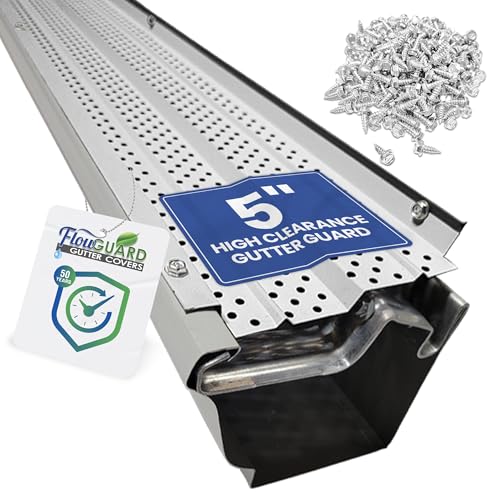
MADE IN THE USA! – FlowGuard High Clearance is specifically designed to clear high profile gutter brackets. High Strength .018 heavy gauge painted aluminum will never rust or deteriorate. Full front and rear hem doubles material thickness in high stress mounting area to withstand the most extreme rainfall, snow loads, and winds, STAINLESS STEEL 1/2" #8 twin thread pierce point zip screws included.

TIME = MONEY | Make the shift from hand finishing tools to automatic tools and dramatically increase your finishing speed with no compromises in quality.

TIME = MONEY | Make the shift from hand finishing tools to automatic tools and dramatically increase your finishing speed with no compromises in quality.
Conducting a Comprehensive Walkthrough Inspection
A thorough walkthrough inspection serves as an essential step in the home-buying process, enabling prospective owners to assess the quality of finishes and craftsmanship throughout the property. This extensive guide emphasizes the importance of systematically evaluating visible elements, such as checking for smooth, crack-free walls and verifying that tiles and fixtures are properly aligned. Each room should be inspected for consistent paint quality, guaranteeing even coverage without defects. Additionally, attention should be paid to trim work around doors and windows, looking for seamless mitered corners. Functional checks of all fixtures verify installations are level, while documenting findings allows for addressing any issues with the builder. This proactive approach helps assure a satisfactory home investment and enhances overall satisfaction.
Frequently Asked Questions
How to Check Build Quality?
Checking build quality is like examining a painting; one must scrutinize material durability and design aesthetics. Inspect for structural integrity, high-grade materials, smooth finishes, and adherence to safety standards to ascertain overall excellence in construction.
How Do You Measure Quality in Construction?
Quality in construction is measured through meticulous material selection, adherence to design standards, and thorough inspections. Compliance with regulations, structural integrity assessments, and finishing evaluations guarantee longevity and safety in the completed project.
Why Would You Evaluate a Construction Project After It Has Been Completed?
Evaluating a construction project post-completion reveals issues like hidden plumbing defects. Completion inspections guarantee project performance meets standards, forging homeowner confidence and preventing costly future repairs while aligning with regulatory and aesthetic expectations in the industry.
How Do You Ensure Quality in Construction?
To guarantee quality in construction, one must implement strict quality control measures and adhere to established construction standards. This includes evaluating materials, inspections for structural integrity, and confirming compliance with local building codes and regulations.