As an Amazon Associate, we earn from qualifying purchases. Some links on this site are affiliate links at no extra cost to you. Our recommendations are based on thorough research and editorial judgment.


The Evolution of Digital Watches and the Retro Revival

Digital watches emerged in the 1970s, starting with Hamilton’s Pulsar, the first LED watch, followed by Seiko’s LCD models. Their popularity peaked between 1973 and 1983 before declining due to changing preferences. However, from 2000 to 2016, retro digital watches saw a comeback, appealing to nostalgia. Brands like CASIO reissued classics, while smart technology revolutionized functionality. Modern models boast alarms, stopwatches, and eco-friendly designs. Exploring these features can help collectors and newcomers find their ideal digital watch.
Key Takeaways
- Digital watches emerged in the 1970s with innovations like Hamilton’s Pulsar and Seiko’s LCD models, reshaping the watch industry.
- The 1980s saw a decline in digital watch popularity due to oversaturation and changing consumer preferences, despite their initial success.
- From 2000-2016, nostalgia fueled a comeback of digital watches, with brands like CASIO reissuing classic models to appeal to retro enthusiasts.
- Smartwatches launched in 2015 revolutionized digital watch features, offering health tracking and multifunctionality, while retro styles attracted younger consumers.
- Modern digital watches emphasize versatility, affordability, and eco-friendly manufacturing, reflecting current trends in consumer demand and market dynamics.
The Emergence of Digital Watches in the 1970s
You may be interested



In the 1970s, a significant transformation occurred in the world of horology with the introduction of digital watches, marking a pivotal shift in timekeeping technology. The first model, Hamilton’s Pulsar, debuted in 1972, featuring a distinctive red LED display that captivated consumers. In 1973, Seiko introduced its first LCD digital watch, the Seiko 06LC, offering a practical alternative to the flashy LED screens. These initial digital watches provided simple time displays but were viewed as cutting-edge and modern. As brands like Casio and Seiko expanded their ranges, consumer interest spiked, making digital technology increasingly popular. The emergence of these watches began to challenge traditional analog designs, ushering in a new era of high-tech gadgets in horology. Additionally, quartz watches became known for their reliable timekeeping and minimal maintenance, which further contributed to the growing popularity of electronic timepieces during this era.
Recommended Products

Luminous rectangular dial with alarm and stopwatch


Black organic shaped case
The Rise of Digital Creativity: 1973-1983

As digital watches gained traction between 1973 and 1983, their evolution was characterized by a remarkable blend of innovation and style. This period marked the introduction of the first digital watch, setting the stage for a surge in digital technology. One standout model was the Seiko G757, featuring a horseshoe-shaped case, quartz technology, and multifunctional capabilities that appealed to various users. Increased visibility, especially from Roger Moore’s Pulsar in “Live and Let Die,” enhanced the popularity of digital watches as fashionable accessories. Japanese brands like Seiko and Casio excelled with reliable LCD displays, overshadowing early LED models. By integrating fitness tracking, these watches became essential for everyday life, solidifying their cultural significance and accessibility at competitive prices. His and hers watch sets became a popular gift option during this era, symbolizing commitment and style for couples through matching digital designs.
The Shift in Popularity: 1983-2000

While digital watches dominated the early 1980s, their allure began to fade by 1983, signaling a shift in consumer preference. The Quartz Crisis altered the landscape, as Swiss watchmakers struggled, giving rise to budget-friendly brands like Swatch that emphasized affordability over digital technology. By the late 1980s, market oversaturation led to unreliable digital products, casting them as disposable compared to the luxury of mechanical watches. Despite innovations like Timex’s Indiglo backlight capturing some interest into the 1990s, mechanical watches reigned supreme. However, by the late 1990s, nostalgia started to emerge for digital designs, hinting at a potential revival that would reshape consumer attitudes in the following decades, ultimately revitalizing interest in vintage styles. In 2026, the advanced features of digital display watches, such as alarms and long-lasting battery life, have contributed to their renewed popularity and functionality.
Recommended Products

Band is made from Bio-Based Resin, and is produced from renewable organic materials
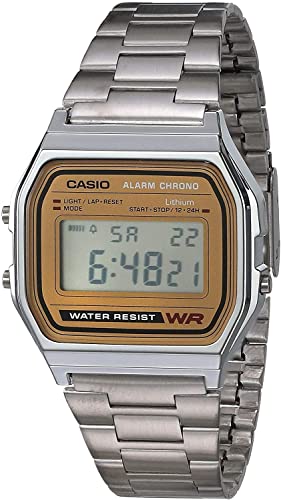
Silver-tone watch featuring octagon-shape digital dial with auto calendar and LED light

8-Digit Calculator; Constants for addition, subtraction, multiplication and division
A Nostalgic Comeback: 2000-2016

Emerging from the shadows of the 1990s, digital watches began to reclaim their place in a market previously dominated by mechanical timepieces. From 2000 to 2016, digital watches became symbols of nostalgia, resonating with consumers who cherished retro designs. CASIO led this revival by reissuing classical models like the F-91W, appealing to both old fans and new enthusiasts. Mid-range brands such as VOID and Braun also gained recognition for their modern interpretations of early digital aesthetics, blending nostalgia with contemporary style. During this period, digital watches evolved from disposable items to fashionable collectibles, highlighting their unique appeal. Despite this resurgence, digital watches failed to markedly alter the watch market, which remained steadfastly focused on mechanical models and premium brands. Casio vintage digital watches combine retro aesthetics with modern features, offering practical functionalities like alarms and stopwatches, while maintaining affordability and style.
Recommended Products

Retro-Inspired Design: Combines a 1980s aesthetic with a modern update, featuring a unique blend of analog beauty and digital functionality.

RETRO-INSPIRED DESIGN WITH DIGITAL FUNCTIONALITY: The Casio LA-670WA-1 features a classic silver-tone stainless steel band with a compact resin and chrome-plated case blending vintage aesthetics with modern digital features. Its crisp digital display ensures easy readability making it a stylish yet functional timepiece for everyday wear for both men and women.
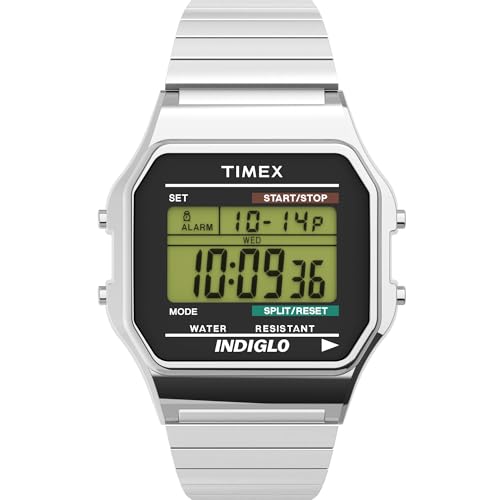
Sport-Inspired Function: 24-hour chronograph with lap and split times plus month, day, and date calendar for everyday timing and organization
The Impact of Smart Technology on Digital Watches

With the arrival of smartwatches in 2015, particularly the Apple Watch, digital watches underwent a significant transformation, incorporating advanced technology and features that appealed to a tech-savvy audience. Smartwatches now boast impressive digital display functionalities, allowing for health monitoring, fitness tracking, and real-time updates on notifications and finances. Consumers appreciate the long battery life of some models, capable of lasting weeks, which enhances convenience. Additionally, the integration of solar power has emerged as an eco-friendly solution, reducing reliance on traditional batteries. However, retro designs still charm a younger generation, reminding them of the classic quartz watches. This blend of innovation and nostalgia guarantees a diverse market, catering to various preferences and lifestyles, with smartwatches generally priced from $200 to $1,000. Moreover, 14K gold plating in some smartwatch designs elevates the aesthetic appeal while maintaining affordability, drawing parallels to the stylish yet budget-friendly options available in jewelry.
Recommended Products

Designed with a bright, colorful AMOLED display, get a more complete picture of your health, thanks to battery life of up to 11 days in smartwatch mode (5 days display always-on)

Bluetooth Call & Smart Notification Center: Stay connected and in control with the T7 smart watch that delivers crystal-clear Bluetooth calling—meaning zero lag and crisp audio, even in noisy environments. Answer or make calls directly from your wrist using the high-definition speaker and microphone. The AI assistant is built right into the smart watch, so you can set reminders, check the weather, and control music hands-free. Real-time notifications for texts, emails, and apps like WhatsApp, Facebook, and Instagram go straight to your wrist, so you never miss what matters

【Crystal-Clear Communication】AEAC smartwatch delivers clear call quality with high-definition speakers and microphones. Built with an AI assistant, it enables smooth voice commands and hands-free calls.
Cultural Significance in Modern Media
Digital watches have cemented their place as significant cultural icons in modern media, showcasing a transformation from simple timekeeping devices to stylish accessories deeply embedded in everyday life. Their cultural relevance is exemplified by appearances in films like those of James Bond, where the Hamilton Pulsar P1 and Seiko G757 highlighted their status as fashionable items. Additionally, the retro revival of digital aesthetics continues through nostalgia-driven marketing efforts, with brands like CASIO reissuing beloved models. These timepieces are now appreciated for their unique designs, contributing to their collectible nature. Collaborations, such as Hermes × Apple, further illustrate how classic digital designs are reimagined within modern luxury contexts, merging past appeal with contemporary tastes and preferences. Affordable options, such as budget dive watches, provide a blend of style and functionality, making them an attractive choice for both casual users and tech lovers alike.
Recommended Digital Watches for Collectors and Newcomers
Collectors and newcomers alike will find a rich variety of digital watches that cater to different tastes and budgets. For budget-conscious buyers, the Casio F91W-1, priced at just $11, offers robust features like a day/date display and a stopwatch housed in a durable resin case. The Casio A168WA-1 at $17 provides a stylish silver-coated stainless steel design, along with practical functionalities, including an alarm. For those seeking a touch of luxury, the Bulova Computron 96C139, priced at $225, stands out with its unique angled window and blue LED display, capitalizing on the retro revival trend. Finally, enthusiasts may appreciate the Casio G-Shock GMWB5000D-1 for $550, featuring quartz crystals, solar power capabilities, and Bluetooth connectivity. Many affordable digital watches, priced between $15 to $50, are known for their multifunctional features like alarms, stopwatches, and calendars, catering to a variety of needs without breaking the bank.
Recommended Products
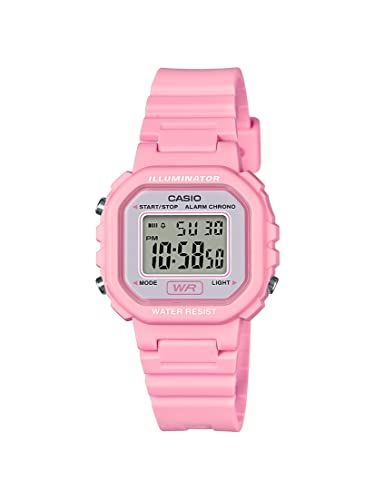
COMPACT SQUARE DIGITAL — A petit square digital watch that's perfect for the feminine wrist, the LA-20WH brings Casio's proven digital reliability into a compact, colorful package. The resin case measures 34.5 × 30.4 × 8.6mm and weighs just 16 grams — featherlight and slim enough to wear all day without fatigue, fitting wrists of virtually any size.

LED light, Stopwatch, Daily Alarm
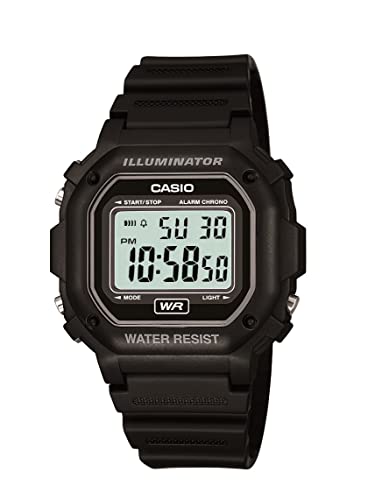
LED Light, Daily alarm, Hourly time signal
Frequently Asked Questions
When Did Digital Watches Become Popular?
Digital watches became popular in the 1970s, driven by digital trends, technological advancements, and market demand. They provided accurate timekeeping, showcased as a fashion statement, and featured improved battery life, enchanting consumers with innovative designs.
How Did Watches Evolve Over Time?
Watches evolved considerably through advancements in watch technology, marked by the quartz revolution and design innovations. Vintage aesthetics reemerged alongside smart features, reflecting their cultural significance in both personal expression and functional timekeeping throughout history.
Are Traditional Watches Making a Comeback?
Indeed, traditional watches are staging a renaissance, echoing nostalgic appeal amidst evolving fashion trends. This resurgence intertwines luxury branding with vintage designs, driven by technology integration and a burgeoning collector culture embracing craftsmanship over mere convenience.
Did They Have Digital Watches in the 70S?
During the 70s, digital watches emerged as significant timekeeping innovations, reflecting popular trends in 70s fashion. Their retro aesthetics and vintage design showcased advancements in digital technology that transformed the watch industry and consumer preferences.


