As an Amazon Associate, we earn from qualifying purchases. Some links on this site are affiliate links at no extra cost to you. Our recommendations are based on thorough research and editorial judgment.


How Quartz, Automatic, and Mechanical Watches Work (Explained Simply)

Quartz, automatic, and mechanical watches function through different mechanisms. Quartz watches use a battery and quartz crystal, oscillating 32,768 times per second for remarkable accuracy of +/- 10-15 seconds per month. Automatic watches wind themselves via wrist movement, showcasing intricate craftsmanship with a +/- 4-6 second daily accuracy. Mechanical watches require manual winding, often admired for their heritage. Each type varies in maintenance needs and pricing, making it essential to evaluate personal preferences for style and utility before choosing. There’s more to explore about watch technologies.
Key Takeaways
- Quartz watches use a battery and quartz crystal to measure time accurately by oscillating 32,768 times per second.
- Mechanical watches rely on a mainspring and intricate gears, with manual winding needed every 24 to 72 hours for operation.
- Automatic watches self-wind through wrist motion, utilizing a rotor to keep the mainspring wound if worn regularly.
- Quartz movements require minimal maintenance, while mechanical and automatic watches generally need servicing every 3-5 years.
- Each watch type offers unique advantages: quartz for accuracy and low maintenance, and mechanical for craftsmanship and traditional watchmaking heritage.
You may be interested



## Understanding Watch Movements
When exploring the world of watches, understanding the movements within them is essential, as these movements serve as the heart of the timepiece. Watch movements are primarily classified into two types: quartz and mechanical. Quartz movements utilize a battery and a quartz crystal, providing remarkable accuracy of +/- 15-30 seconds per month and requiring only occasional battery replacement. In contrast, mechanical movements—comprising both manual and automatic types—derive power from a mainspring, utilizing intricate gear systems. While they showcase exceptional craftsmanship, they demand regular servicing every 3-5 years to maintain precision. A solid understanding of these movements not only enhances one’s appreciation for the technology involved but also helps in selecting timepieces that align with individual preferences and lifestyles. Additionally, just like small hoop earrings, watches offer a range of designs that cater to different tastes and occasions, allowing wearers to express personal style.
How Quartz Movements Function

Understanding how quartz movements function reveals the remarkable simplicity and efficiency behind modern timekeeping. These movements are powered by a small battery that sends an electrical current through a quartz crystal. This causes the crystal to oscillate 32,768 times per second, essential for accurate timekeeping. An integrated circuit counts these oscillations, converting them into readable time units. With fewer moving parts than mechanical watches, quartz movements offer greater shock resistance, are reliable, and require less maintenance. The battery life typically spans 2 to 5 years, easily restored through replacement. While quartz may not captivate all watch enthusiasts due to its absence of traditional craftsmanship, many fine Swiss brands uphold high-quality standards, making them a solid choice for everyday wear. Additionally, digital watches with automatic calendar features provide convenience by updating dates automatically, enhancing everyday usability.
The Mechanics of Automatic Movements
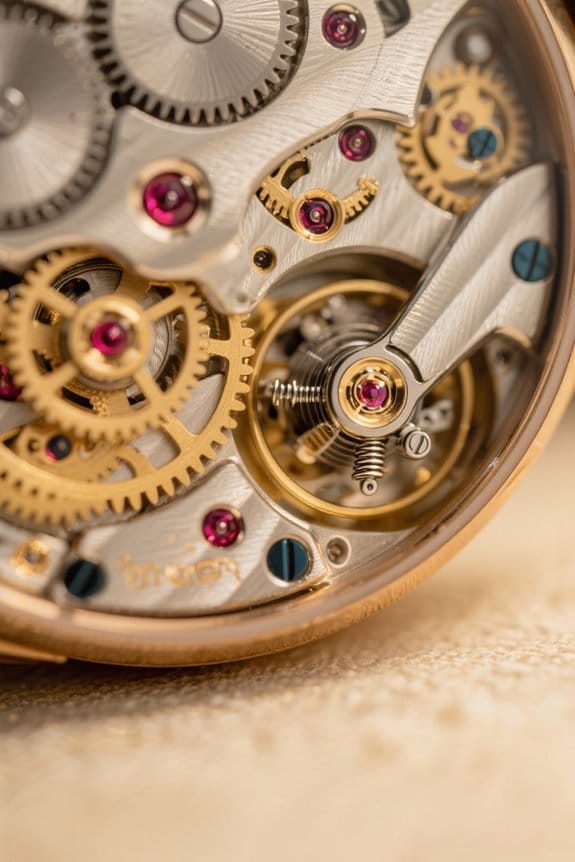
Automatic movements represent a fascinating blend of engineering and artistry, enchanting watch enthusiasts with their intricate design. These mechanisms utilize a rotor that spins with wrist motion, winding the mainspring for continuous operation. The energy stored in the mainspring is released through a complex gear train, enabling precise movement of the watch hands. Typically, an automatic watch boasts a power reserve ranging from 24 hours to several days, depending on design and energy stored. Although they generally maintain an accuracy range of +/- 4-6 seconds per day, some models excel in precision. Enthusiasts appreciate visible mechanisms through transparent case backs, showcasing the craftsmanship involved in creating these sophisticated pieces. This blend of functionality and beauty keeps automatic watches in high demand.
Manual vs. Automatic Movements
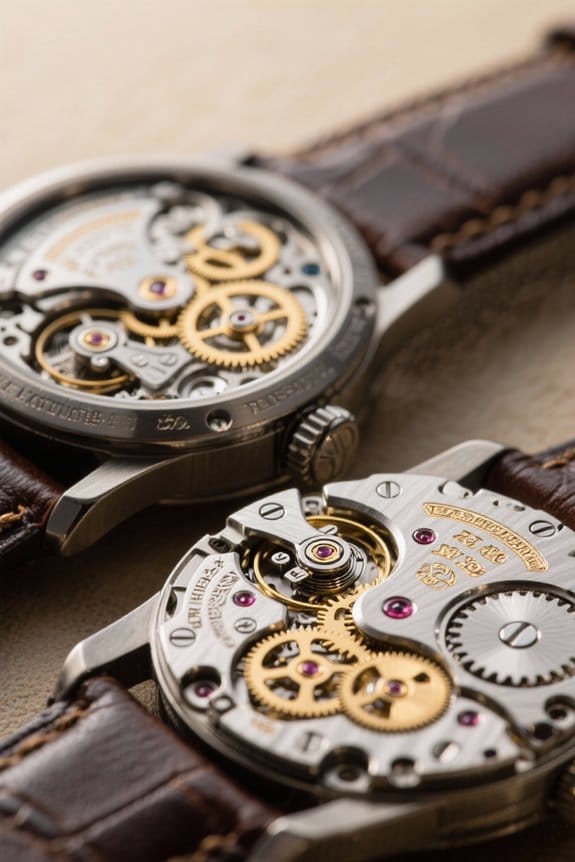
Both manual and automatic movements play pivotal roles in the world of mechanical watches, each catering to different preferences and experiences. Manual movements require the wearer to wind the mainspring by hand every 24 to 72 hours, maintaining their power reserve. This process adds a tactile experience that many enthusiasts cherish. In contrast, automatic movements utilize a rotor that spins with the natural motion of the wearer’s wrist, eliminating the need for daily winding if worn regularly. However, if not worn for extended periods, automatic watches may stop and require initial manual winding. While both movement types offer unique charms, those seeking simplicity may favor automatic movements, while manual movement fans appreciate the ritual and craftsmanship involved. Mechanical watches often feature high-hardness mineral glass or sapphire glass to protect the intricate dials from scratches while enhancing durability.
The Craftsmanship Behind Mechanical Watches

Crafting a mechanical watch requires a blend of engineering ingenuity and artisanal skill, resulting in intricate timepieces that tell more than just time. These mechanical watches derive power from a mainspring, releasing energy through delicate movements of gears and a balance wheel. Watchmakers demonstrate exceptional craftsmanship, dedicating hours to hand-assemble over 100 tiny parts, ensuring each watch retains unique characteristics. The complexity of these movements often includes complications like chronographs or perpetual calendars, highlighting the watchmaker’s artistry. Regular maintenance every 3-5 years is essential for optimal functionality, as the intricate mechanics demand care. Whether winding a manual watch or observing the rotor of an automatic, enthusiasts appreciate the tactile connection to timekeeping, emphasizing both tradition and precision. In the world of jewelry, lava beads effectively absorb essential oils, offering a parallel in craftsmanship and function as seen in the detailed artistry of mechanical watches.
Advantages and Disadvantages of Quartz Watches
After examining the intricate craftsmanship of mechanical watches, it is worthwhile to explore the alternative offered by quartz watches. Renowned for their accuracy, quartz watches typically lose only +/- 10-15 seconds per month, making them ideal for precise timekeeping. They are more affordable than mechanical counterparts due to having fewer moving parts and relying on battery power, which also lowers production costs. Maintenance is minimal, requiring battery changes every 2-5 years. However, the ticking second hand may be a drawback for some watch enthusiasts who prefer the smooth operation of mechanical watches. Despite this, quartz watches are durable and shock-resistant, thanks to their simpler mechanical structure. Ultimately, quartz watches offer a practical choice for reliability and budget-conscious consumers. Additionally, Japanese quartz movement is often used in budget-friendly dive watches for its precision and reliability.
Pros and Cons of Automatic Watches
Automatic watches captivate enthusiasts with their elegant blend of artistry and engineering. These timepieces utilize intricate movements that wind themselves through wrist motion, ensuring they stay powered without daily winding. They can boast an average accuracy of +/- 4-6 seconds per day, making them quite accurate for regular use. With a power reserve ranging from 24 hours to several days, their design often reflects exquisite craftsmanship. However, due to their mechanics, automatic watches require maintenance every 3-5 years. Additionally, while they appeal to collectors and luxury watch fans, their thicker and heavier nature may not suit everyone. Overall, automatic watches perfectly marry aesthetics and technology, making them a worthwhile investment for aficionados. For those seeking a timepiece with durable materials like stainless steel, automatic watches often deliver both longevity and style.
Recommended Products
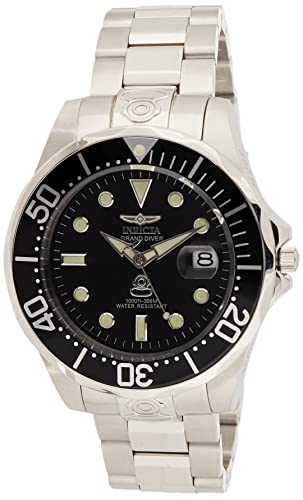
Stainless steel case 47mm diameter x 14.44mm thick; Exhibition case back; Black dial; Luminous hands and hour markers

Fossil Men's Watch, Townsman Automatic Stainless Steel Two-Hand Skeleton Watch for Men, Color: Smoke
VERSATILE STYLE: From desk to dinner, daily commute to jet-set journey, think of this Fossil watch for men as his best-dressed essential; with an exposed automatic movement, it's a sleek, pulled-together style that never takes itself too seriously

Stainless steel case 40mm diameter x 14.1mm thick; Exhibition case back; Black dial; Luminous hands.Band Length: 205mm
Maintenance Requirements for Each Movement Type
When it comes to maintaining watches, understanding the distinct requirements of each movement type is essential for longevity and performance. Quartz watches are incredibly convenient, requiring minimal maintenance with battery replacements every 2-5 years. In contrast, mechanical watches, including both manual and automatic types, typically need servicing every 3-5 years to remain accurate. Manual wind watches demand regular daily winding to keep their power reserve intact, while automatic watches can function well for years if worn consistently. However, they might need servicing due to potential oil drying. The servicing costs for automatic watches generally range from $150 to $250, reflecting their intricate mechanical design, whereas quartz watches offer lower upkeep, making them a practical choice for everyday use. Additionally, the hypoallergenic features of certain materials, such as 316L stainless steel, are beneficial for those with sensitive skin, ensuring comfort and longevity in jewelry and watch designs.
Recommended Products

【Watch repair tool kit】- JOREST watch repair tool kit contains common tools required for repairing watches, suitable for adjusting and replacing watch straps, opening watch covers, replacing watch batteries, gaskets, etc., and has detailed operations Manual to help you solve watch problems at home and save expensive repair costs.

UPGRADE COMPLETE 155 PCS WATCH REPAIR KIT suit for professional and general use, which can solution for most watch repair requirements

EFIXTK Watch Band Tool Kit Includes 60‑in‑1 Accessories:1 watch link pin remover with 6 extra tips, 1 plastic watch holder, 1 spring bar tool with 3 replacement pins, 1 double‑headed hammer, 4 watch punches, 20 spring bars, 20 cotter pins, 1 cleaning cloth, 1 instruction manual, all stored in a portable storage bag.
Selecting the Right Type of Watch for You
Selecting the right type of watch can greatly enhance both functionality and personal style. Quartz watches offer exceptional accuracy, typically losing only +/- 15-20 seconds per month, making them ideal for precision enthusiasts. Those who appreciate craftsmanship might prefer mechanical timepieces, which require winding and showcase intricate gears, providing a connection to traditional watchmaking. Automatic watches combine convenience with self-winding capabilities, appealing to individuals who wear them regularly and prefer minimal maintenance. For eco-conscious buyers, solar-powered quartz watches eliminate the hassle of battery changes. Evaluating lifestyle and preferences is crucial: quartz watches are generally more affordable and lightweight, while automatic and mechanical options offer a richer heritage and craftsmanship experience. Ultimately, selecting the right type enhances both utility and personal expression. For those seeking affordable elegance, high-quality materials such as genuine leather bands and stainless steel cases ensure durability and elevate the watch’s appearance.
Recommended Products


Mechanical Movement: Operate without battery, automatic self-winding.However, proper manual winding is indispensable,which can effectively reduce time deviation.(Note: Mechanical watch is different from quartz watch. Insufficient mechanical kinetic energy will cause the watch to stop, please winding it in time.)

VERSATILE STYLE: From desk to dinner, daily commute to jet-set journey, think of this Fossil watch for men as his best-dressed essential; with an exposed automatic movement, it's a sleek, pulled-together style that never takes itself too seriously
The Future of Watch Movements
How will the watch movements of tomorrow redefine the landscape of horology? The future hints at hybrid technologies combining the elegance of automatic movements with quartz precision. Advanced kinetic movements can harness wrist motion for energy storage, increasing efficiency. Additionally, solar-powered quartz movements are gaining traction, eliminating the need for battery changes and promoting sustainability through light energy conversion. Traditional watchmakers are refining automatic movements to enhance accuracy and reliability, using improved lubrication to extend repair intervals. Meanwhile, the rise of smartwatches encourages these artisans to integrate technology while preserving their craftsmanship. As manufacturers invest in research and development, consumers can expect innovations that promise lasting durability, appealing to a modern audience valuing convenience. Budget dive watches, like the Cressi Scuba Diving Computer, are beginning to offer competitive features at an accessible price, making them more attractive to a broader audience.
Frequently Asked Questions
What Is the Difference Between a Quartz Automatic Watch and a Mechanical Watch?
The difference lies in Quartz accuracy, reliant on batteries, versus automatic power and mechanical craftsmanship, requiring maintenance. Price comparisons highlight quartz’s affordability, while style variations appeal to user preference, affecting durability factors and overall watch experience.
What Are the Disadvantages of a Quartz Watch?
Despite quartz watches promising accuracy within +/- 10-15 seconds monthly, disadvantages include limited battery life, higher repair costs when failures occur, temperature sensitivity, and perceived inferior design options compared to mechanical timepieces with intricate craftsmanship.
Can a Watch Be Both Quartz and Automatic?
A watch cannot be both quartz and automatic; however, hybrid timepieces blend quartz mechanics with automatic features. This combination enhances watch technology, offering precision timing through unique energy sources, while maintaining distinct movement types and requiring specific maintenance.
Do All Quartz Watches Need a Battery?
Not all quartz watches need a battery; some utilize solar-powered quartz technology or hybrid systems. These battery-free options lessen battery replacement frequency, offering environmentally friendly energy sources and easier maintenance compared to traditional quartz watch types.