As an Amazon Associate, we earn from qualifying purchases. Some links on this site are affiliate links at no extra cost to you. Our recommendations are based on thorough research and editorial judgment.


How to Read Watch Spec Sheets Without Overwhelm

To read watch spec sheets without feeling overwhelmed, focus on key components like movement type, materials, and water resistance. Look for specifications such as quartz or automatic movements, jewel counts (at least 17), and water resistance ratings. Pay attention to case dimensions, including diameter and lug width, which affect comfort and style. Consider strap materials and widths, as they impact durability and aesthetics. This approach makes it easier to compare watches and understand their features fully. More insights follow.
Key Takeaways
- Focus on movement type first; understand whether it’s Quartz for low maintenance or Automatic for self-winding convenience.
- Check the water resistance rating; ensure it meets your intended use, especially for swimming or diving activities.
- Pay attention to case dimensions, including diameter and thickness, to find a watch that fits comfortably and matches your style.
- Examine strap material and width; choose options that suit your comfort and aesthetic preferences while ensuring compatibility with the watch.
- Look for high-quality materials and feature details, such as jewel count and power reserve, to gauge the watch’s durability and performance.
Understanding Key Components of a Spec Sheet
Understanding a watch’s spec sheet serves as an essential skill for enthusiasts and casual buyers alike. Key watch specifications encompass various elements such as movement type, which can either be Quartz or Automatic. Jewel count, typically at least 17 for quality pieces, indicates the complexity of the movement. Water resistance ratings, expressed in meters or atmospheres, inform about the watch’s durability in wet conditions; for example, a 30-meter rating is ideal for splashes, while dive watches start at 100 meters. Additionally, case diameter is significant in evaluating fit, complemented by strap specifications like width and material. By familiarizing themselves with these components, consumers can make informed decisions that perfectly balance functionality and style. High-quality materials, like 925 sterling silver, ensure longevity and enhance aesthetic appeal, similar to those used in double-sided earrings.
Analyzing Movement Types and Performance

How can enthusiasts distinguish between the various movement types in watches, and why does this matter? Understanding the difference between Quartz and Automatic movement is essential for appreciating a watch’s craftsmanship. While Quartz watches rely on an oscillating crystal for accurate timekeeping, Automatic movements self-wind using the wearer’s activity, eliminating battery dependence. Key specifications to evaluate include the movement’s power reserve, typically around 72 hours for modern pieces, and jewel count, where quality mechanical watches often have around 17 jewels for performance-enhancing friction reduction. Beat rates, usually at 28,800 vibrations per hour, increase precision. Additionally, the Japanese VK63 movement is noted for its precision, enhancing the reliability and accuracy of chronograph watches. By analyzing these aspects, enthusiasts gain insight into a watch’s complexity and overall quality, aiding in informed purchasing decisions.
Exploring Case Materials and Dimensions

Watches are not just about movements and mechanisms; the case materials and dimensions play a significant role in both function and fashion. Common case materials include steel, titanium, gold, platinum, carbon, and ceramic, each offering distinct durability and weight characteristics. The case dimensions—diameter, thickness, and lug-to-lug distance—are essential for comfort and fit. Specifically, lug width, the gap between lugs, guarantees compatibility with straps and affects the watch’s overall appearance. Dial size is equally important, as a larger dial can enhance visual appeal. Understanding the relationship between case dimensions helps assess proportion and suitability for various styles. When choosing a watch, consider these elements to find a perfect blend of style and functionality. Additionally, handmade quality focus in jewelry, like seed bead pieces, emphasizes artisanal craftsmanship which can also be a consideration for those who appreciate unique designs in watches.
Recommended Products

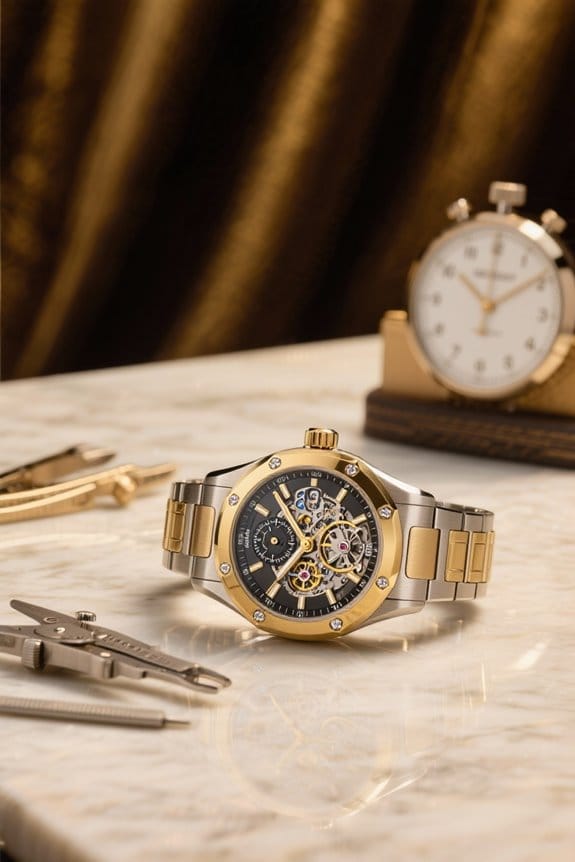
The Series M Magician was inspired by performers who dazzle their audience with amazing tricks and incredible illusions. A breakthrough conception was devised to include an inner case with interchangeable external bezels. This concept would provide a spellbinding mix-and-match combo for its wearers, giving them multiple options for presence on the wrist.

BIGGER TRACTRIX HORN: A new, larger 90° x 90° silicone composite hybrid Tractrix horn provides crisper, clearer sound.

Guilloches - ornamental patterns of fine, engraved lines - originally adorned precious watches and accessories such as the legendary Fabergé eggs. Graf von Faber-Castell uses this traditional jewelling technique to transform the writing instruments in the Guilloche series into true pieces of jewelry: The precious resin barrel is given a filigree pattern line by line and then further refined in manual lacquering and polishing processes. The Guilloche models are available in m
Assessing Water Resistance Ratings

Water resistance can be an essential factor for anyone considering a watch, especially for those who lead an active lifestyle or enjoy aquatic sports. Water resistance ratings are usually measured in meters or atmospheres; a 30-meter rating is suitable for swimming but not diving, whereas true dive watches often exceed 100 meters. For recreational divers, a minimum rating of 200 meters is typical, while professional divers may require watches rated at 300 meters or more. It’s vital to distinguish between general water resistance ratings and those designed for diving standards. By understanding these specifications, consumers can make informed choices regarding their timepiece’s suitability for various aquatic activities, ensuring it meets practical diving needs without falling for inflated marketing claims. Watches with Roman numeral dials often have elegant design characteristics that blend functionality with sophistication, making them suitable for both daily wear and formal occasions.
Recommended Products

New Model Superocean

Tudor Black Bay Fifty Eight Automatic Chronometer Blue Dial Men's Watch M79030b-0001
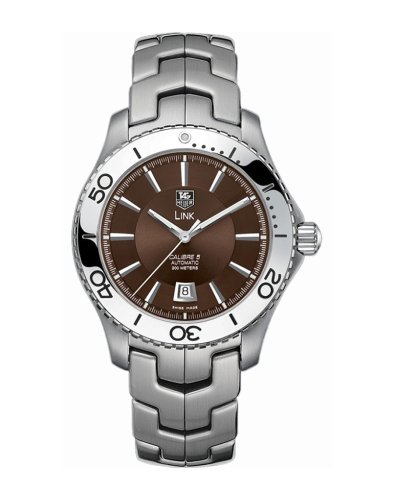
Quality Swiss Automatic movement; Functions without a battery; Powers automatically with the movement of your arm
Importance of Jewel Count in Movements

A significant aspect of watch movements lies in the jewel count, which refers to the synthetic ruby bearings used to reduce friction and enhance efficiency. Standard watches typically contain around 17 jewels, ensuring smooth operation as the movements beat at 28,800 vibrations per hour. Higher jewel counts can indicate more complex mechanisms, often found in luxury timepieces like Rolex or Panerai, which may feature over 30 jewels. However, a higher count doesn’t always guarantee better quality. These jewels play a vital role in maintaining precision and consistency, contributing to the overall performance of the watch. When evaluating watches, understanding jewel count helps buyers appreciate the craftsmanship and intricacies of the movements behind their chosen timepiece. Additionally, quartz movements offer reliability and low maintenance, making them a popular choice for those seeking functionality and ease of use in black dial watches.
Evaluating Power Reserve and Frequency
Evaluating power reserve and frequency is essential for understanding a watch’s practical and technical attributes. The power reserve indicates how long a watch can operate without winding, with modern automatic watches often featuring reserves from 48 hours to over a week. This enhancement allows daily wear without worrying about resetting the time. For instance, Rolex models often have a 72-hour reserve, while some Panerai watches can last 8 to 10 days. Frequency, measured in vibrations per hour (vph), is vital for timekeeping precision. Most automatic movements operate at 28,800 vph. Watches with lower frequencies, like 18,000 vph, may experience minute timekeeping differences. Evaluating both aspects guarantees a reliable, accurate watch movement for the wearer. Eco-Drive technology eliminates battery concerns by using light as a power source, enhancing sustainability and convenience.
Comparing Different Watch Specifications
When comparing different watch specifications, attention to detail plays an essential role in making the right choice. Key factors to evaluate include case diameter, thickness, and lug-to-lug dimensions, which considerably influence comfort and aesthetics. The movement type is vital; for automatic models, a 28,800 vibrations per hour frequency enhances accuracy. Water resistance ratings should also be scrutinized; dive watches typically require at least 100 meters, while standard watches may only handle 30 meters. In addition, jewel counts can indicate movement complexity, with quality watches often containing around 17 jewels. Finally, strap materials and closure types impact not just durability and comfort, but also the overall style of the watch. Balancing these factors leads to a more informed purchase. For those interested in jewelry, stainless steel and brass are favored for their durability and hypoallergenic properties.
Recommended Products

AUTOMATIC MOVEMENT: Swiss H-10 movement with 80-hour reserve ensures consistent performance. Experience precision that matches both daily tasks and adventures, a testament to Swiss craftsmanship in automatic timekeeping.

WATCH FUNCTION: The Gravel 001 is the ultimate adventure watch. It is equipped with a 26-Jewel Swiss Automatic Movement, 26-Jewel and a skeleton case-back.
![Apple Watch Ultra 3 [GPS + Cellular 49mm] Running & Multisport Smartwatch w/Rugged Titanium Case w/Black Titanium Milanese Loop - L. Satellite Communications, Advanced Health & Fitness Tracking](https://m.media-amazon.com/images/I/51x8F3QDUWL._SL500_.jpg)
RUGGED AND READY TO GO—The ultimate sports and adventure smartwatch is built to last with an extremely tough titanium case and a strong sapphire crystal display. Water resistant up to 100m—it’s great for swimmers, divers, and fans of high-speed water sports.*
Recognizing the Role of Strap and Band Features
Choosing a watch involves more than just examining its specifications; the strap and band features play a notable role in both function and style. Watch straps come in various materials like leather, rubber, and metal, each influencing comfort, durability, and aesthetics. For instance, rubber bands often provide enhanced water resistance, making them ideal for diving watches. Straps typically range from 20 to 24 mm in width, ensuring compatibility with the watch case. Clasp styles, including folding, butterfly, and pushpin, affect ease of use and adjustability. Features like quick-release mechanisms enhance versatility, allowing for effortless adjustments. Ultimately, the aesthetic and functional attributes of a watch band notably impact the overall look and usability, making careful selection essential. Hypoallergenic materials, such as 14K gold plating, ensure comfort for sensitive skin wearers and are an important consideration when choosing watch straps.
Making Informed Decisions Based on Specifications
Understanding watch specifications is essential for anyone looking to make an informed decision about their next timepiece. First, individuals should familiarize themselves with terms like case diameter and thickness, which affect both fit and aesthetics. Next, evaluating movement types, such as mechanical movement or Quartz, reveals complexity and reliability, especially considering jewel counts. Water resistance ratings are vital for diving watches—aim for a minimum of 100 meters for underwater activities. Power reserve specifications indicate operational longevity without manual winding or battery changes, enhancing usability. Finally, the materials used, like titanium or sapphire glass, contribute to durability and overall quality perception. By weighing these factors, consumers can choose a watch that truly fits their needs and lifestyle. Additionally, quartz movements are recommended for their accuracy and low maintenance, making them a practical choice for daily wear.
Frequently Asked Questions
What Are Signs of an Ill-Fitting Watch?
Signs of an ill-fitting watch include poor size adjustment, discomfort on the wrist, inadequate band flexibility, unfavorable design aesthetics, unbalanced weight distribution, and compromised material quality, all impacting both wearability and visual appeal.
How to Understand Watch Accuracy?
Understanding watch accuracy involves evaluating precision through accuracy tests, comparing quartz versus mechanical movements, and recognizing COSC certification. These factors influence timekeeping standards, directly impacting the watch’s value and overall performance in daily usage.
How to Read a Watch Without Numbers Analog Clock?
Like watching paint dry, interpreting an analog watch involves understanding watch hands and reading hour markers. By visualizing the watch aesthetics, one can interpret minute ticks while recognizing time zones, simplifying the experience of telling time.
What Is the Best Movement to Wind an Automatic Watch?
The best movement for winding an automatic watch features high frequency mechanisms, optimizing winding efficiency through self-winding benefits. Manual winding techniques complement this, while understanding movement types enhances automatic watch maintenance longevity and performance.