As an Amazon Associate, we earn from qualifying purchases. Some links on this site are affiliate links at no extra cost to you. Our recommendations are based on thorough research and editorial judgment.


How to Untangle Fine Chains Without Damage

To untangle fine chains without damage, start by soaking the necklace in warm, soapy water for a few minutes. This helps loosen knots. Use a fine needle or tweezers for precise untangling, gently working through the knots. Baby oil can also be applied to ease the process. If the knots remain stubborn, consider taking the piece to a jeweler. For future prevention, store necklaces separately and opt for chunkier styles that are less prone to tangling. Explore further techniques to keep your jewelry in top condition.
Key Takeaways
- Soak the chain in warm, soapy water to loosen knots before gently untangling with your fingers or tools.
- Apply baby oil or baby powder to reduce friction, making it easier to manipulate the tangled areas.
- Use tweezers or a fine sewing needle to carefully tease apart the knots without applying excessive force.
- Keep your workspace clear and avoid ledges to minimize the risk of losing pieces during untangling.
- Practice patience, gently working through the knots to prevent permanent damage to the chain.
What You Will Learn
When it comes to untangling fine jewelry chains, understanding the best techniques can make all the difference. Fine chains are delicate, so it’s essential to handle them with care. One effective method involves using baby oil as a lubricant to ease the knots. Simply apply a small amount, allowing it to penetrate the tangled sections. Tools like tweezers or a fine sewing needle can enhance precision, helping to navigate tight spots without exerting undue force. However, it’s important to remember that if knots resist all efforts, seeking the help of a professional jeweler is wise. By employing these techniques, individuals can maintain the integrity of their chains while reducing the risk of permanent damage. For those interested in affordable options, 18K gold plated bracelets provide a stylish and budget-friendly way to elevate your accessories.
Soak Your Necklace in Warm, Soapy Water

Soaking a necklace in warm, soapy water is a practical method to help untangle knots. To begin, choose a gentle dishwashing soap or non-scented shampoo into a bowl of warm water. Completely submerge the necklace, ensuring pearls are kept dry to avoid damage. During the soaking, gently rub the knotted area between your fingertips to aid in loosening the tangles. If there are pendants that aren’t obstructed by the knot, it’s wise to remove them before soaking. After untangling, thoroughly rinse the necklace to eliminate any soap residue that could dull its shine. Optionally, apply baby powder to any remaining knots, as it can provide a little extra grip. This method is simple yet effective for maintaining fine chains. Additionally, using a hypoallergenic design for your jewelry can prevent skin irritation, especially if you plan to wear your necklace frequently.
Recommended Products

The farmhouse sink needs a minimum 33" (838 mm) apron sink base cabinet

50% Less* Scrubbing (*vs. Dawn Non-Concentrated)
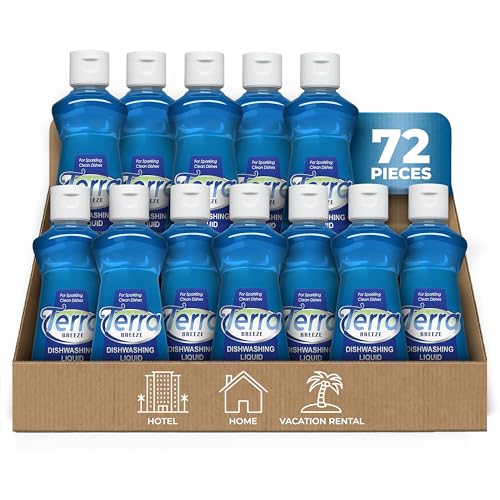
MINIMAL WASTE, MAXIMUM EFFICIENCY: Terra Breeze Dishwashing Liquid is designed with vacation rental owners and Airbnb hosts in mind. Unlike other dishwashing liquid that contribute to waste, our compact dishwashing liquid allow you to minimize your ecological footprint.
Preparing to Untangle Your Necklace

In preparation to untangle a fine necklace, it is essential to create an ideal environment for the task. First, choose a clean, well-lit workspace to see and maneuver the chain effectively. Avoid areas over sinks or ledges, as losing a valuable piece can be disheartening. A soft surface is ideal for laying the necklace flat, minimizing the risk of new knots forming. Before diving in, assess the knots closely, determining where to apply gentle pressure without causing damage. Additionally, gather necessary tools like a needle or tweezers, ensuring you’re ready for the untangling process. This thoughtful setup is vital, as it sets the stage for a successful and damage-free experience. Selecting hypoallergenic materials for your jewelry can also prevent skin irritation during handling and wear.
Recommended Products
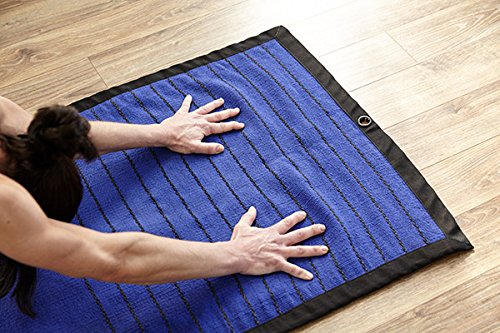
INNOVATIVE YOGI-SIDED GRIP: Introducing our exclusive 'ridgeback' design with gripper 'ridges' for hands and feet, providing unbeatable traction to prevent slipping and enhance stability in every pose

Unique color, high quality wood watch case with natural wood grain finish

Decent Size: The Leopard Cheetah Heart Jewelry Rug is 63 x 94 inches (160x240cm), suitable for creating cozy areas or as a entryway hallway kitchen bedroom.
Needle Method

The needle method is an effective technique for untangling fine chains, providing both precision and control. To begin, position the necklace under bright lighting for better visibility. Using a fine sewing needle, carefully poke through the knot’s center. This allows for better access to the tangled links. Gently pull the needle in various directions to loosen the links without applying excessive force, which could risk damaging the chain. Patience is essential here; rushing can lead to friction damage or kinking, especially in delicate necklaces. Overall, the needle method’s precision is particularly advantageous for thin chains that require careful handling. For best results, allocate ample time to this process, ensuring a successful untangling without risk. Consider using a soft cloth for cleaning sterling silver jewelry, as it can help maintain the shine and prevent tarnishing of fine chains.
Recommended Products

OPELON FIBER – BULK SIZE: This white stretchy cord measures 0.7 mm in diameter and comes in a massive 4400-meter spool—perfect for high-volume jewelry projects. Durable, flat, and easy to knot without crimps.
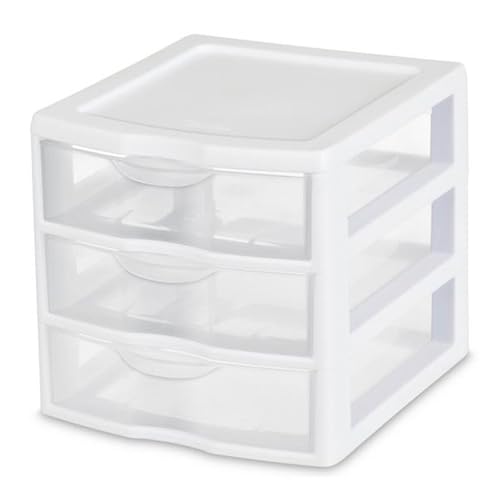
Set of 18 countertop drawers help organize frequently used items such as paper, pens, mail, keys, and more, keeping your countertops free of clutter
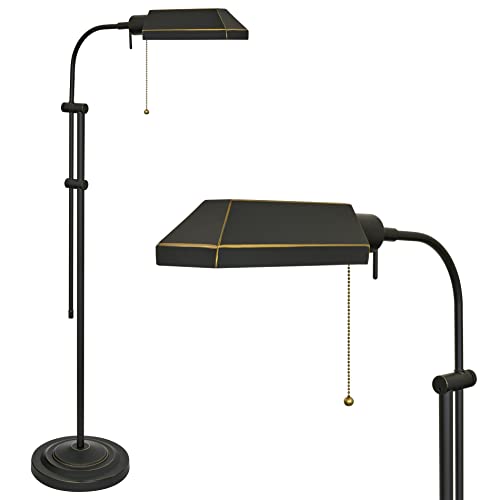
[MODERN DESIGN] The modern pharmacy floor lamp features a classic oil rubbed bronze finish with hand painted gold trim and heavy sturdy metal weighted base instantly upgrades your living room, bedroom or office. This adjustable curved floor lamp with a pull chain switch for easy on/off emits a bright downward glow, making it a prime choice among interior designers and builders
Baby Oil Method

Utilizing baby oil provides a gentle and effective solution for untangling fine chains. To start, lay the necklace flat on a clean surface to avoid further tangling. Next, apply a small amount of baby oil directly onto the knotted area using a cotton swab. This lubricant makes it easier to manipulate the chain. Gently rub the knot between your fingers, taking care not to exert too much force, which could damage delicate links. For tricky tangles, a sewing needle can be used to carefully pry at the knot while the baby oil reduces friction. Once the chain is untangled, rinse it with warm, soapy water to eliminate any residual oil, ensuring the necklace remains shiny and clear. To maintain the quality of your jewelry, consider proper maintenance practices such as storing the chain in a dry environment to prevent tarnishing and damage.
Recommended Products

【High-quality Material】: This wood dresser is made of solid MDF, and it is waterproof and easy to clean. Equipped with easy-to-grip black metal handles, opening each drawer is smooth and easy


Product Type:Bottle
Baby Powder Method
Employing the baby powder method can be a surprisingly effective way to untangle fine chains. This technique starts with laying the necklace flat and sprinkling a small amount of baby powder over the knotted area. The baby powder works by absorbing moisture and reducing friction, allowing for easier maneuvering of the links. After dusting with baby powder, gently rub the knot between your fingers to help loosen it without pulling or causing damage. For more complex knots, a needle may assist in the untangling process, but care is essential to avoid breaking the chain. Once successful, rinse the necklace thoroughly with warm, soapy water to remove any residual baby powder. This method is both simple and efficient for maintaining delicate jewelry.
Recommended Products

600W ULTRASONIC CAVITATION: This CREWORKS industrial ultrasonic cleaner uses 600W of power to fill its 7.9 gallon basin with cavitation bubbles, using the force of their tiny implosions to thoroughly and professionally clean even small and intricate surfaces; up to 600W of heating allows even more powerful action
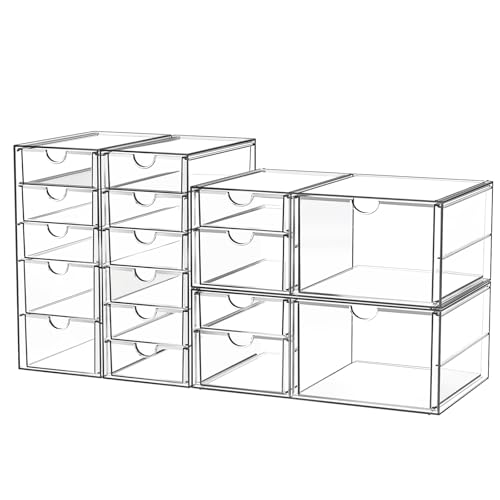
Acrylic makeup organizer with 17 Drawers: Our Acrylic makeup bathroom organizer can maximize space on shelves, dressers ,under the sink, and bathroom counters. There are 17 drawers in total, it’s perfect to organize all your messy items into section, and very easy to take. You can also use them side by side, put your small objects on top of acrylic bins to make your countertop space more tidy. And 4 Pack storage bins with 17 drawers are also enough for you to place in multiple places, very good value.

【High-Efficiency Grain Mill】Goldtouch 750g grain grinder is perfect for personal and family use. equipped with a robust 2800W motor, equipped with powder blades, rotating blades, and dust removal blades, the triple-blade design effortlessly grinds a variety of materials
Tweezers Method
Grasping a pair of tweezers can make all the difference when facing a tangled fine chain. To begin, place the necklace under bright lighting, which enhances visibility and helps in identifying the knot’s structure. Next, use the tweezers to gently grasp the knotted area, applying minimal pressure to avoid damaging the delicate links. By loosening tight knots with slow, careful pulls at different angles, it’s possible to free the individual links without causing kinks. Once the knot loosens, shift to fingers for more precise control when pulling the strands apart. Patience is essential during this process, as hasty movements can lead to damage, especially with fine jewelry chains. Personalized jewelry is trending for its emotional significance, making it an increasingly popular choice as keepsakes.
Take It to a Jeweler
When the tweezers method fails to unravel a complex knot in a fine chain, seeking help from a professional jeweler becomes a practical option. Jewelers specialize in fine jewelry repairs and possess the right tools to handle delicate chains without inflicting damage. They can untangle stubborn knots that, if approached incorrectly, may lead to permanent deformation or breakage. Additionally, professional jewelers are equipped to offer preventive maintenance advice, essential for keeping pieces, such as family heirlooms or that baby bracelet, in pristine condition. Relying on their expertise helps preserve the beauty and value of fine jewelry over time. Consequently, taking a tangled necklace to a jeweler guarantees the best outcome, saving time and potential heartache. Many halo rings, such as the Hidden Halo Engagement Rings, are crafted with intricate designs that require professional care to maintain their elegance and sophistication.
Preventing Future Tangles
To guarantee fine chains remain free from tangles, effective storage solutions play an essential role. Using travel jewelry cases or display stands with hooks can help prevent future tangles by minimizing friction. It’s vital to keep necklaces hung separately, as this reduces the likelihood of them intertwining and forming knots. Employing a flat storage method can also work wonders, ensuring delicate chains do not rub against each other or other jewelry types. Periodic checks and reorganizing storage can maintain effectiveness in preventing new tangles. Investing in chunkier styles, such as snake or Figaro chains, can be advisable, as they inherently possess lower tendencies to tangle compared to finer designs. Overall, thoughtful storage is key to maintaining chain integrity. Some jubilee bracelets feature a unique design of intertwined links, which can also benefit from careful storage to prevent damage and ensure they retain their aesthetic appeal.
Necklace Styles Less Likely to Tangle
Selecting the right necklace style can greatly impact the likelihood of tangling, making certain designs more appealing for everyday wear. Chunky chains are less likely to tangle due to their thicker links, providing a stylish, low-maintenance option. Tennis necklaces, embellished with closely set stones, are elegant and also minimize the risk of forming a tight knot. Snake chains feature closely linked segments, allowing for layered designs without complications. Figaro chains, with alternating elongated and circular links, help prevent tangling and are available in thicker variations for added durability. By opting for these sturdy and structured necklace styles, wearers can enjoy a refined look while greatly decreasing the chances of tangles and damage over time. Additionally, minimalist choker necklaces like the EPIRORA 925 sterling silver choker offer a versatile and dainty option that is less likely to tangle due to its streamlined design.
Protect Your Necklace With Fine Jewelry Insurance
Protecting a cherished necklace is crucial, especially when its value exceeds $1,000. Fine jewelry insurance is essential for necklaces prone to tangling or a knot in your necklace. BriteCo™ offers extensive options, combining preventive maintenance with traditional coverage tailored for fine jewelry. This insurance not only covers repair costs but also protects against loss, safeguarding the investment of your delicate chains over time. Additionally, the claims process with BriteCo™ is quick and straightforward, ensuring policyholders receive timely assistance if damage occurs. By insuring your fine jewelry, you gain peace of mind, knowing that unforeseen mishaps will not jeopardize your cherished pieces. For those investing in fine chains, considering insurance is a smart choice for added protection and security. Affordable jewelry pieces are often made from hypoallergenic materials like brass, ensuring comfort and durability for everyday wear.
Frequently Asked Questions
How to Untangle a Very Fine Chain?
To untangle a very fine chain, one should lay it flat, apply warm soapy water as a lubricant, and gently use tweezers or a needle for careful separation, prioritizing chain care to avoid damage.
How to Remove Knots From a Tiny Chain?
To remove knots from a tiny chain, best practices include soaking it in warm, soapy water, gently picking apart knots with a needle, and applying baby oil for lubrication before seeking professional help if necessary.
How to Untangle Severely Knotted Necklaces?
To untangle severely knotted necklaces, gently soak in warm, soapy water, then use a fine needle to maneuver knots. For knot prevention, store necklaces flat and avoid entanglement by separating individual pieces with cloth.
Will a Toothpick Untangle a Necklace?
Yes, a toothpick can effectively untangle a necklace. Despite concerns about its size, the Toothpick Technique allows for precise maneuvering in small knots, minimizing damage while ensuring the delicate chain remains intact during the process.


