As an Amazon Associate, we earn from qualifying purchases. Some links on this site are affiliate links at no extra cost to you. Our recommendations are based on thorough research and editorial judgment.


Metals Guide: Sterling Silver, Gold‑Plated, Stainless Steel, Titanium

This metals guide covers four popular jewelry materials: sterling silver, gold-plated, stainless steel, and titanium. Sterling silver is 92.5% silver, known for its shine and affordability, while gold-plated pieces offer a thin gold layer over base metal, typically lasting 6-12 months. Stainless steel is durable, hypoallergenic, and easy to care for, ideal for daily wear. Titanium is lightweight, corrosion-resistant, and fashionable, though hard to resize. Each metal has unique benefits, and further exploration reveals valuable insights.
Key Takeaways
- Sterling Silver: Composed of 92.5% silver and 7.5% copper, it offers a brilliant shine but requires ongoing maintenance to prevent tarnishing.
- Gold-Plated Jewelry: A thin layer of gold over base metal provides an affordable gold appearance, lasting six months to a year with proper care.
- Stainless Steel: Durable, corrosion-resistant, and hypoallergenic, this metal requires minimal maintenance and is an affordable option for everyday jewelry.
- Titanium: Known for being lightweight and strong, it’s hypoallergenic and resistant to tarnishing, making it ideal for long-lasting jewelry pieces.
- Custom Jewelry: Allows for personalization in materials like sterling silver, gold-plated, stainless steel, or titanium, catering to individual style preferences.
Understanding Sterling Silver
Sterling silver, a popular choice among jewelry enthusiasts, is an alloy made up of 92.5% pure silver and 7.5% copper. This specific copper content enhances the alloy’s durability, making sterling silver ideal for everyday wear and intricate jewelry designs. Known for its brilliant white sheen, it provides an affordable option compared to gold, appealing to those seeking stylish accessories without a hefty price tag. However, the presence of copper means that sterling silver is prone to tarnishing, requiring regular maintenance to keep its shine. Additionally, individuals with metal sensitivities might experience irritation due to the copper content. Overall, sterling silver remains a favored choice for those desiring durable and elegant jewelry. Sterling silver earrings, available in various understated and bold design choices, offer versatility for both everyday wear and special occasions.
Pros and Cons of Gold-Plated Jewelry

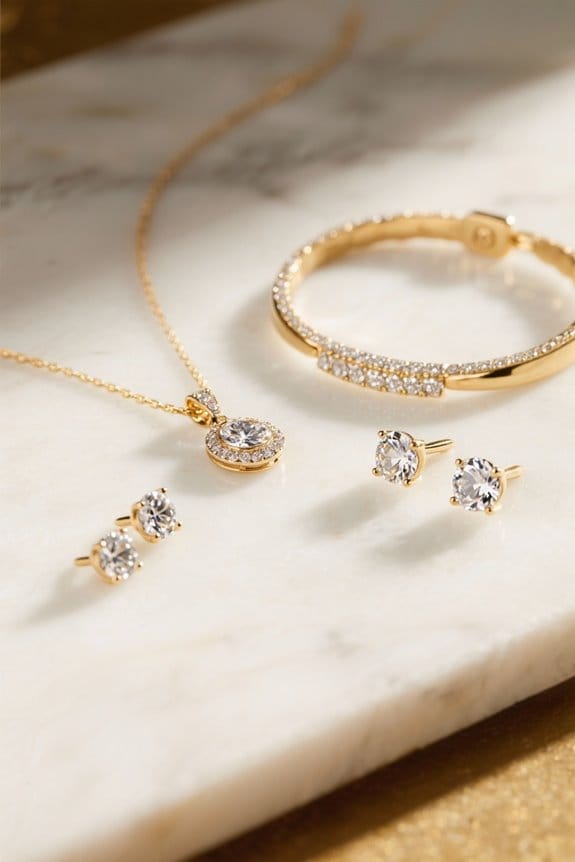
Gold-plated jewelry offers an appealing alternative for those who admire the look of gold but seek a more budget-friendly option. Typically, it consists of a thin layer of gold over a base metal, making it an affordable choice. However, the durability of gold-plated jewelry is lower than that of solid gold, as it can tarnish and wear off over time, usually lasting six months to a year. Some gold-plated pieces are hypoallergenic if crafted with quality base metals, yet they may still irritate sensitive skin. To maximize longevity, wearers should follow proper care practices, avoiding contact with water and chemicals. Consequently, while this jewelry offers beauty at a lower karat, its maintenance is essential to preserve its appearance. Versatility and combination of classic and modern styles appeal to contemporary fashion aesthetics.
Benefits of Stainless Steel for Everyday Wear

When seeking everyday jewelry options that combine style and practicality, stainless steel consistently ranks high due to its remarkable properties. Known for its durability, this corrosion-resistant metal is an ideal choice for those looking to invest in everyday jewelry pieces. Its hypoallergenic nature minimizes the risk of skin irritation, making it suitable for sensitive wearers. Additionally, stainless steel jewelry requires low maintenance; it retains its shine without frequent polishing. Compared to precious metals, it boasts enhanced longevity, being less prone to scratching or tarnishing. The affordability of stainless steel makes it an economical alternative, allowing for stylish options without breaking the bank. Overall, stainless steel offers a perfect blend of resilience, comfort, and value for daily wear. Furthermore, many stainless steel chains can withstand water but are not recommended for prolonged submersion, ensuring their quality and enhancing their lifespan.
Exploring Titanium Jewelry

The allure of titanium jewelry lies in its unique combination of strength and style, attracting many individuals seeking durable yet fashionable accessories. Titanium is incredibly strong yet lightweight, making it ideal for items like wedding bands and everyday pieces. Its hypoallergenic properties guarantee it is safe for those with sensitive skin, minimizing irritation. Designed for the modern aesthetic, titanium jewelry features contemporary designs that offer a sleek, sophisticated look. Remarkably resistant to corrosion and tarnishing, titanium maintains a long-lasting shine with minimal upkeep. Grade 23 solid titanium ensures durability and minimal maintenance, enhancing its appeal for everyday and special event use. However, its hardness makes resizing or repairs challenging, so selecting the correct size is essential. Overall, titanium jewelry stands out as an excellent choice for those looking to balance durability with modern elegance.
How to Choose the Right Metal for Your Jewelry

How does one select the perfect metal for their jewelry? First, consider purchasing sterling silver, known for its 92.5% silver content, which offers both durability and a polished look. For a more budget-friendly option, gold-plated jewelry provides a delicate layer of gold on a base metal, but it may fade with wear and is best for special occasions. Stainless steel stands out for its remarkable durability, making it an excellent choice for everyday pieces that endure daily use. Finally, titanium is lightweight and hypoallergenic, perfect for those with sensitive skin or active lifestyles. Sterling silver is often hypoallergenic, offering peace of mind for individuals with sensitive skin. Ultimately, assess your lifestyle and budget, as sterling silver and stainless steel typically present practical options for daily wear without compromising style.
Comparison of Precious Metals
What makes precious metals so appealing in the world of jewelry? Sterling silver is known for its affordability, consisting of 92.5% pure silver, making it popular for everyday wear despite its tendency to tarnish. Gold-plated options provide an economical alternative with a thin layer of gold, ideal for occasional use, but have a limited lifespan of about six months to a year. Stainless steel stands out for its exceptional durability and resistance to corrosion, perfect for active lifestyles. Alternatively, titanium is a lightweight, hypoallergenic choice that offers strength but presents challenges in resizing. Gold plated bracelets are often crafted from hypoallergenic materials that help in preventing skin irritation, which is crucial for individuals with sensitive skin. Each metal offers unique benefits, making it essential for buyers to weigh their lifestyle and preferences when selecting an option.
Care and Maintenance Tips for Different Metals
When selecting jewelry, understanding the care and maintenance of different metals can greatly extend their lifespan. Sterling Silver requires regular cleaning with a soft cloth to remove tarnishing, and should be stored in cool, dry places to reduce oxidation. Gold-Plated Jewelry needs special attention; avoid contact with water, chemicals, and abrasive surfaces to preserve its gold layer, cleaning gently with a damp cloth. For Stainless Steel, routine cleaning with mild soap and water suffices, as it’s resistant to tarnishing and corrosion. Titanium, while scratch-resistant, benefits from gentle cleaning using a soft cloth and mild soap solution. In all cases, avoiding contact with bodily lotions, perfumes, and hair products helps maintain shine and prevent damage. When it comes to high-quality natural stones, regular maintenance is essential to retain their effectiveness and beauty, especially when used in chakra bead bracelets.
Popular Jewelry Designs in Each Metal
Jewelry designs in various metals offer an enchanting mix of aesthetics and functionality, appealing to diverse tastes. Popular jewelry in sterling silver often showcases intricate details, making it a favorite for rings and bracelets. Gold-plated jewelry is ideal for trendy pieces but has a limited lifespan of 6 months to a year due to its thin gold layer. Stainless steel stands out in contemporary designs, particularly for those seeking modern aesthetics in necklaces and bracelets. Titanium jewelry is prized for its lightweight and hypoallergenic properties, frequently seen in men’s wedding bands. Additionally, mixed metals designs combine sterling silver and stainless steel, creating unique pieces that suit various styles. Each metal provides practical and fashionable options for everyday wear and fine jewelry. Many watches, including those with Roman numeral dials, incorporate stainless steel for its durability and classic aesthetics.
Custom Jewelry Design Options for Your Needs
In the world of jewelry, custom design opens up a domain of personalized possibilities, allowing clients to express their unique style and preferences. Custom jewelry design enables the selection of materials like sterling silver, gold-plated, stainless steel, or titanium, each with its own unique characteristics. For example, sterling silver offers brilliance and affordability, whereas titanium provides remarkable durability and hypoallergenic properties. Through collaboration with experienced jewelers, clients can guarantee their lifestyle preferences are integrated seamlessly into their creations. Designers utilize advanced materials and techniques to produce stunning pieces that are not only aesthetically pleasing but also suitable for daily wear or special occasions. Ultimately, custom designs offer a thoughtful blend of functionality and artistry, tailored to individual needs. Many affordable and sustainable options in gold-plated necklaces encourage eco-conscious fashion choices using recycled materials.
Frequently Asked Questions
Which Is Better, Titanium Steel or Sterling Silver?
Titanium outperforms sterling silver in durability and corrosion resistance, ideal for everyday wear. Weighing considerably less, titanium is hypoallergenic. However, sterling silver offers appealing aesthetics, but requires more maintenance and can vary in price.
What Are the 10 Precious Metals?
The ten precious metals include gold, silver, platinum, palladium, rhodium, iridium, osmium, ruthenium, and fine silver. Each offers unique properties, such as gold’s value, silver’s durability, platinum’s uses, and iridium’s rarity.
What Is the Healthiest Metal to Wear?
The healthiest metal to wear? Naturally, it’s titanium! With its biocompatible properties, phenomenal corrosion resistance, and a knack for dodging skin sensitivity issues, it practically screams, “Goodbye metal allergies, hello jewelry longevity!”
What Is Better, Gold Plated Stainless Steel or Gold Plated Sterling Silver?
In the gold durability comparison, gold-plated stainless steel shows superior longevity and everyday wear suitability. While gold-plated sterling silver has aesthetic appeal, it requires more maintenance, posing allergic reactions potential and affecting cost effectiveness analysis in wedding jewelry options.