As an Amazon Associate, we earn from qualifying purchases. Some links on this site are affiliate links at no extra cost to you. Our recommendations are based on thorough research and editorial judgment.


Spotting Loose Stones: Routine Checks That Prevent Loss

Spotting loose stones is essential for protecting valuable jewelry. Regular checks help identify weak settings caused by wear and tear, poor workmanship, or physical damage. To detect a loose stone, perform a gentle tap test or visually inspect for gaps between the stone and prongs. It’s important to act immediately by removing the jewelry and contacting a professional jeweler. Consistent inspections and proper care, such as cleaning with mild soap, guarantee gemstone security and longevity in your collection. Discover further insights on maintaining your jewelry’s integrity.
Key Takeaways
- Perform a “tap test” every few months by gently tapping the stone to check for any jingling sounds indicating looseness.
- Visually inspect settings for gaps between the stone and prongs to identify potential loose stones early.
- Regularly wiggle the stone with light pressure; if it moves, it requires immediate attention and possible repair.
- Schedule annual professional inspections to catch issues before they escalate into more significant problems.
- Ensure gentle cleaning with mild soap and warm water to maintain the integrity of settings and gemstone security.
Understanding the Causes of Loose Gemstones
Understanding the causes of loose gemstones is essential for any jewelry owner who values the integrity of their pieces. Over time, wear and tear can weaken settings, particularly in engagement rings, making gemstones prone to dislodgment. Poor quality or improperly crafted settings exacerbate this issue, increasing the risk of loss. Physical damage from impacts, like hitting a hard surface, can also displace stones. Environmental factors, such as extreme temperatures and harsh chemicals, may compromise the security of gemstones by weakening prongs. To minimize risks, regular inspections by a professional jeweler are crucial. Such maintenance helps keep gemstones secure, ensuring long-lasting beauty and providing peace of mind to owners who cherish their jewelry. Avoid harsh chemicals to prolong the life of these precious items. Additionally, hypoallergenic properties in jewelry can enhance skin safety, making them a valuable consideration for those with sensitive skin.
How to Identify a Loose Stone

Proper attention to jewelry maintenance involves knowing how to spot loose stones before they become a larger issue. For engagement rings and other precious pieces, early detection is key. A gentle tap on the stone can reveal a loose setting; listen for a faint jingling sound, reminiscent of a burnt-out light bulb. Additionally, visually inspecting for gaps between the stone and its prongs is vital. If the stone wiggles upon touch, it is indeed loose. Regular maintenance, such as conducting a “tap test” every couple of months, helps keep gemstones secure. Avoid using household cleaners that may damage the metal. By routinely checking for stability and sound, jewelry owners can prevent potential loss and promote their pieces’ longevity. High-quality materials in jewelry, like 925 sterling silver, can also play a crucial role in ensuring the longevity and durability of your cherished items.
Recommended Products
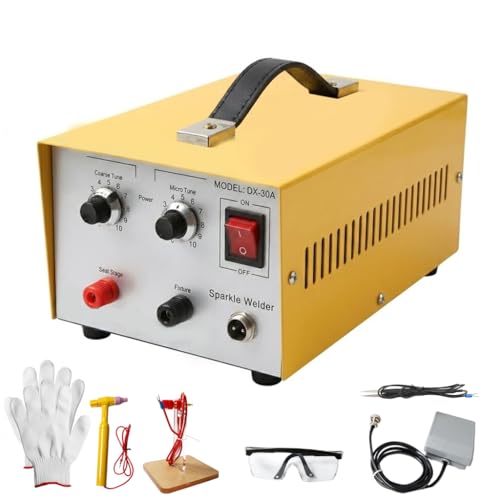
🎯 HOW TO ACHIEVE SEAMLESS JOINTS ON FINE JEWELRY? Achieve professional-level integrity without messy flux. This 30A pulse arc welder creates localized molten pools specifically for gold, silver, and platinum. It solves the "messy solder" pain point for 0.4mm-1.0mm wires, ensuring your high-end pieces remain pristine and structurally sound.

Metal type: Authentic 925 Sterling Silver

Durable & Lightweight Aluminum Build: Crafted from premium aluminum, this tool is both lightweight for comfortable handling and exceptionally wear-resistant for long-lasting reliability. The Watch Press Tool Kit is built to endure daily use in your workshop.
Immediate Actions to Take if You Find a Loose Stone

Discovering a loose stone can be alarming, prompting immediate action to safeguard both the jewelry and the gem. First, it is essential to remove the jewelry to prevent accidental loss; this step is imperative. Place the piece in a secure location, like a jewelry case, to protect it until further inspection. It’s wise to avoid wearing the item during activities such as washing hands or cleaning, as these actions may worsen the situation. Regular cleaning is recommended to maintain the shine of jewelry and detect any issues early. Next, contact a professional jeweler who can examine the loose stone and potentially re-tip or replace any worn prongs. Taking prompt action is essential in preventing additional damage and ensuring the longevity of the jewelry. Prioritizing these steps saves both the gem and peace of mind.
Recommended Products

🟢 Bur Shape: Stone Setting

The Dremel 7760 Lite is the diyer’s go-to solution for light duty DIY and crafting projects, a rotary tool kit that includes 10 accessories to kick start your projects right out of the box

😃Special gift for DIYer!✨Meet 10+ more features than the basic PRT4335!
Preventative Steps to Keep Your Gemstones Secure

Making certain gemstones remain secure is as essential as addressing loose stones promptly. To protect your beautiful investment, individuals should adopt proactive measures. Regular maintenance by a professional jeweler at least once a year helps identify potential issues before they become costly. For those leading active lifestyles, it’s important to frequently check the prongs and settings of engagement rings, as they may become loose during daily activities. Gentle cleaning with mild soap and warm water is recommended, avoiding harsh chemicals, particularly for high-karat gold. Additionally, storing jewelry in individual compartments prevents damage that could increase the risk of losing cherished stones. Finally, removing jewelry before physical activities ensures sturdy settings, preserving their brilliance for years to come. To further prolong the life of your jewelry, consider regular cleaning to prevent tarnishing and wear, ensuring your pieces remain as stunning as the day you first wore them.
The Importance of Regular Inspections and Maintenance

While many individuals admire their jewelry’s beauty, understanding the necessity of regular inspections and maintenance is vital for preserving that allure. Regular inspections by a professional jeweler, at least once a year, can effectively identify loose stones and other issues. These checkups allow for prompt action, which helps prevent costly repairs and the potential loss of valuable gemstones. Jewelry maintenance should include both visual inspections and simple techniques, like the “tap test,” to gauge stone security. This proactive approach not only safeguards gemstones but also guarantees their longevity. Committing to routine inspections cultivates peace of mind, reinforcing the integrity of treasured pieces for many years. Ultimately, consistent care protects the investment in jewelry’s beauty. Incorporating hypoallergenic options for sensitive skin in your jewelry choices can also contribute to maintaining comfort and safety over time.
Frequently Asked Questions
How to Stop Stones Falling Out of Rings?
To stop stones from falling out of rings, guarantee regular gem inspections and ring maintenance, perform prong adjustments, utilize jewelry care, seek professional appraisals, and consider resetting stones as preventative measures against potential loss.
How to Test Stones at Home?
Various stone testing methods include gentle taps for sound, visual inspections for gaps, and routine gem care. DIY gem assessments and ring maintenance advice enhance gemstone security, ensuring protective settings effectively secure gems during home jewelry inspections.
How to Fix a Loose Ring Stone?
To fix a loose ring stone, employ DIY methods like the tap test, followed by professional services for prong reinforcement and gem stabilization through jewelry inspection, ensuring long-term durability with proper ring repair and preventive measures.
How to Tell if Your Prongs Are Loose?
Prong inspection techniques reveal looseness through wiggling the stone or tapping it. Signs of damage necessitate prong tightening tools. Regular ring maintenance frequency and professional inspection importance guarantee longevity, while prong care tips guide proper upkeep and jewelry repair services.


