As an Amazon Associate, we earn from qualifying purchases. Some links on this site are affiliate links at no extra cost to you. Our recommendations are based on thorough research and editorial judgment.


Watch Accuracy Basics: Quartz PPM Vs Automatic Seconds/Day

Watch accuracy can be understood through two main types: quartz and automatic. Quartz watches excel with precision, deviating by only +/- 15 to 20 seconds per month, which equates to about 1 to 2 parts per million (PPM). In contrast, automatic watches can vary by -20 to +30 seconds per day, averaging over two minutes of error monthly. Quartz is ideal for strict timekeeping needs, while automatic watches appeal to enthusiasts. Exploring further reveals the nuances in their craftsmanship and performance.
Key Takeaways
- Quartz watches are accurate within +/- 15 to 20 seconds per month, equivalent to 1 to 2 PPM.
- Automatic watches typically deviate by -20 to +30 seconds per day, averaging 4 to 6 seconds under normal conditions.
- Quartz achieves precision levels of up to 2 PPM, whereas automatic watches yield about 2,000 PPM.
- External factors like temperature and position significantly impact automatic watch accuracy.
- Quartz is ideal for precise timekeeping, while automatic watches appeal for their craftsmanship and design.
Understanding Quartz Accuracy: PPM Explained
When considering the world of wristwatches, quartz accuracy stands out as an essential element to understand, especially with its measurement known as parts per million (PPM). Quartz watches are renowned for their remarkable accuracy, typically within +/- 15 to 20 seconds per month, translating to an impressive 1 to 2 PPM of error. This precision stems from the quartz crystal’s ability to oscillate steadily at 32,768 Hz, providing reliable timekeeping through its battery-powered mechanism. This dependable performance makes quartz watches ideal for applications like sports timing and scientific measurements, outperforming automatic watches that can lose several seconds daily. Factors to consider when choosing a moonstone ring include ring size options and gemstone quality to ensure durability and beauty. Overall, the combination of precise timekeeping and battery longevity positions quartz watches as the choice for those valuing accuracy and reliability.
Automatic Watch Accuracy: Measuring Seconds/Day
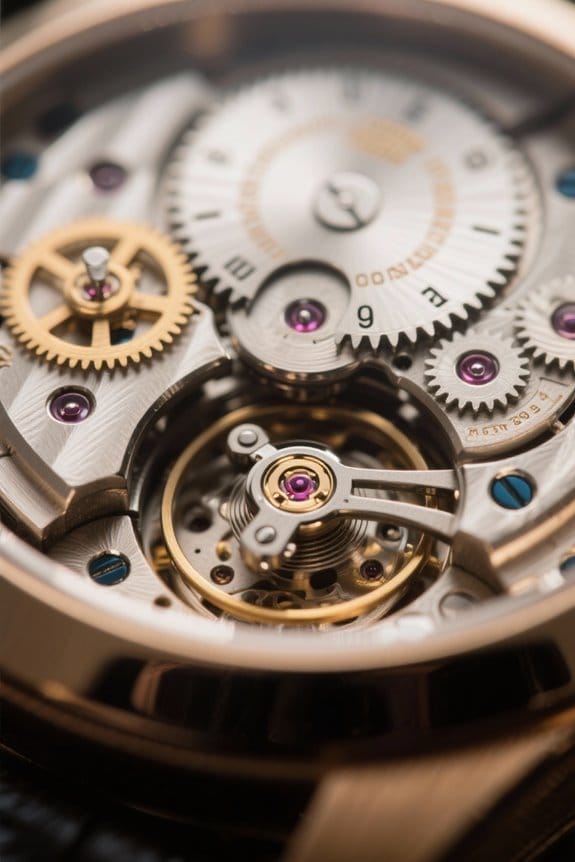
Automatic watches, known for their intricate mechanical movements, offer a different approach to timekeeping compared to their quartz counterparts. Typically, these watches exhibit an accuracy range of -20 to +30 seconds per day, averaging around 4 to 6 seconds of deviation under normal conditions. However, factors like temperature variations, position, and the wearer’s activity level can influence performance. Unlike quartz movements, which boast an accuracy of ±15 seconds per month, automatic movement requires periodic servicing to maintain high precision. Regular maintenance, such as lubrication and tuning, may help reduce daily deviation, making these watches appealing to collectors and watch enthusiasts. The automatic movements in some GMT watches provide self-winding convenience and longer power reserves, enhancing their appeal to those who appreciate the blend of functionality and style. Ultimately, personal preferences will guide buyers in choosing between the reliable precision of quartz or the charm of automatic timepieces.
Recommended Products
Ultra High Definition 4K (3840x2160) FOUR TIMES the resolution of 1080P! 32 Channel 6K 12MP NVR Security Camera System with (32) H.265+ 4K (8MP) @20FPS Weatherproof 135° Diagonal Field of View Lens PoE IP Turret Cameras (Built-in Microphone)

LG USA AUTHORIZED - Includes 26 Months Extended Protection in ADDITION to the Included FULL Manufacturer Protection

Max 8.0 Megapixel Full HD Realtime Recording 16 Channel H.265 4K NVR Security Camera System with (16) 5MP 1920P Weatherproof POE H.265 IP Bullet Cameras (Built-in microphone and wide angle lens)
Comparing the Precision of Quartz and Automatic Watches

Precision in timekeeping is a crucial factor for many watch enthusiasts weighing the merits of quartz versus automatic watches. Quartz watches excel in accuracy, generally losing or gaining only +/- 15 seconds per month. This impressive consistency translates to about +/- 0.5 seconds per day. In contrast, automatic watches experience greater variability, often averaging -4 to +6 seconds per day, resulting in monthly deviations of approximately 120 to 180 seconds. While quartz movements can achieve precision levels of up to 2 parts per million (PPM), automatic movements typically yield 2,000 PPM. Although quartz is preferable for meticulous timekeeping, enthusiasts may prefer automatic watches for their intricate craftsmanship. Ultimately, personal preference in style and functionality guides the choice between these two types. Additionally, 100m water-resistant watches are ideal for swimming and snorkeling, offering versatile use for outdoor adventures without compromising style.
Recommended Products

Seiko Solar Quartz Cal. V192, Accuracy ±15 seconds per month
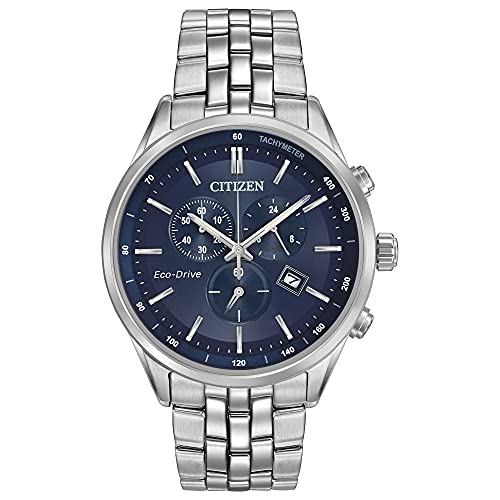
Timeless styling that effortlessly takes you from work to play.

With bold design and superior accuracy, Citizen AT watches synchronize to an atomic clock with a margin of error of just one second in 100,000 years
Factors Influencing Watch Accuracy

Accuracy in timekeeping is a vital characteristic that watch enthusiasts consider when choosing between quartz and automatic models. Quartz watches typically achieve an impressive accuracy of +/- 15-20 seconds per month, translating to approximately 0.5 to 0.6 seconds daily. In contrast, automatic watches generally average 4-6 seconds per day, leading to a potential monthly deviation of -20 to +30 seconds. Factors influencing automatic watch accuracy include the movement’s condition, its resting position, and external environmental influences, such as temperature variations. Quartz watches, meanwhile, are less susceptible to these factors, showcasing consistent performance. Regular maintenance is essential for automatic watches to sustain precision and timekeeping ability, while quartz models typically require minimal adjustment over time, making them reliable for precision enthusiasts. Additionally, 925 sterling silver ring sets provide a versatile and stylish option for watch enthusiasts looking to complement their timepieces with elegant jewelry.
Recommended Products

Switch between gasoline (13000 surge, 10500 running watts), propane (11250 surge, 9000 running watts), and natural gas (10000 surge, 8000 running watts) with a simple press of a switch

True 7.1.2Ch Sound: Exhilarating 3D sound that surrounds you using side, top and wide-firing speakers | Wireless Dolby Atmos: Legendary 3D sound that comes from around and above you without messy cables

【Stunning 4K Night Vision & Smart Detection】 Each wireless outdoor security camera delivers vivid 4K TrueColor Night Vision for clear, vibrant footage, even at night without floodlights. Triple AI Detection precisely identifies people and activity while reducing false alerts—ideal for wireless security cameras outdoor monitoring.
Choosing the Right Watch Based on Accuracy Needs
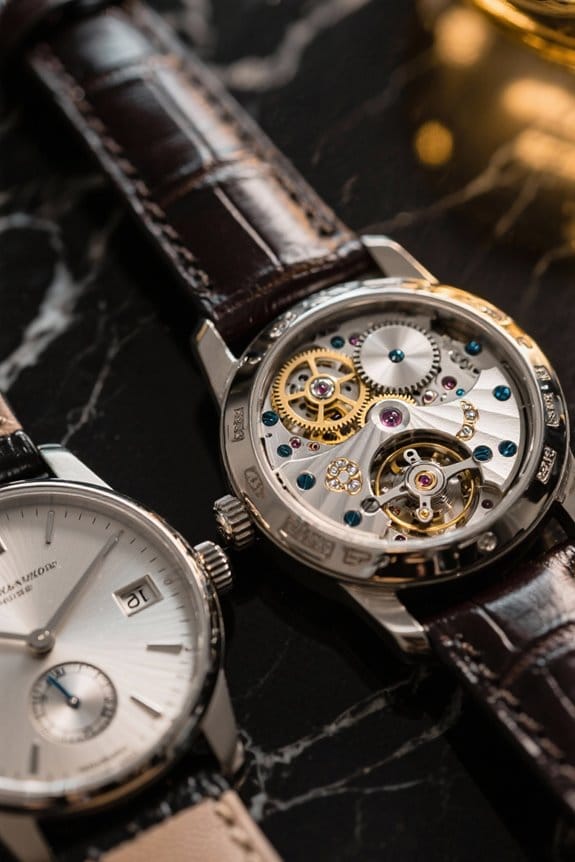
When considering the right watch for one’s needs, how important is accuracy in everyday life? For those prioritizing precise timekeeping, quartz watches are generally the best choice. They offer an accuracy deviation of +/- 10 to 20 seconds per month. This makes quartz ideal for sports or time-sensitive activities. On the other hand, automatic watches, with deviations of -20 to +30 seconds per day, may accumulate over two minutes of error in a month. However, they appeal to those who value traditional craftsmanship and aesthetic qualities. When choosing a watch, it is essential to align accuracy needs with personal values and lifestyle, balancing the significance of exactness against the appreciation of fine design. Additionally, water resistance ratings in quartz watches enhance their suitability for active lifestyles, offering protection during workouts and daily activities.
Recommended Products

AUTOMATIC MOVEMENT: Swiss H-30 movement with 80-hour power reserve and day-date functionality for practical, everyday use. Precision engineering meets reliability for seamless timekeeping.

Exquisite Craftsmanship – Designed for the Modern Gentleman: Pierre Richardson PR5922 is the perfect balance of luxury and precision. This premium 24K pure gold plated men's watch with a sleek gold finish and striking blackbackground, is a must-have for collectors and everyday wear.

Case Size: 47.50 mm, Band Width: 23, Case Thickness: 15.30 mm
Frequently Asked Questions
Are Automatic or Quartz Watches More Accurate?
Quartz watches exhibit greater accuracy due to superior timekeeping technology and frequency stability derived from battery energy sources. Automatic watches, influenced by mechanical components and temperature effects, require regular watch maintenance, appealing to user preferences for craftsmanship over precision standards.
Is Seconds a Day Good for an Automatic Watch?
An automatic watch displaying five to ten seconds daily is akin to a well-tuned orchestra, harmonizing the art of mechanical timekeeping. Regular servicing and environmental awareness enhance precision, reflecting true craftsmanship and dedication to watch calibration techniques.
Which Watch Lasts Longer, Quartz or Automatic?
Quartz watches typically offer shorter longevity due to battery life and replacement needs, while automatic watches showcase greater durability and repair potential. User preference greatly influences choice, alongside factors like maintenance frequency, design variations, and brand reliability.
What Is a Good Accuracy for a Quartz Watch?
Quartz precision reaches astonishing levels, with good accuracy typically between +/- 15-20 seconds per month. Calibration techniques, watch maintenance, and battery lifespan influence performance, while temperature effects vary across brand comparisons in quartz movements.