As an Amazon Associate, we earn from qualifying purchases. Some links on this site are affiliate links at no extra cost to you. Our recommendations are based on thorough research and editorial judgment.

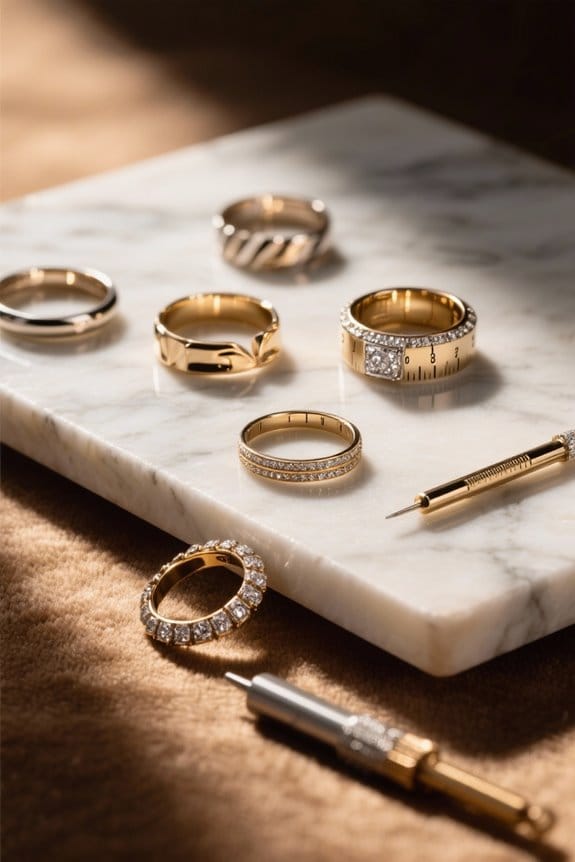
When to Resize Rings and How Sizing Affects Durability

Proper ring fit is essential for comfort and durability. Signs that a ring needs resizing include skin irritation from tight fits or a spinning ring indicating looseness. Weight changes, pregnancy, and aging all affect ring size. Resizing methods can vary based on the ring type, with certain materials like titanium being hard to resize. Resizing can also impact gemstone settings. Understanding these factors helps maintain ring integrity, and exploring further can provide additional insights on resizing options.
Key Takeaways
- Resize rings when experiencing discomfort, skin irritation, marks, or loose fit; these indicate improper sizing.
- Durability may be compromised if resizing involves intricate designs or requires stone removal.
- Accurate measurements are essential; professional resizing minimizes risks to structural integrity.
- Softer metals like gold and silver usually withstand resizing better than harder materials.
- Regular assessments of soldered areas post-resizing ensure ongoing durability and the need for further adjustments.
Importance of Proper Ring Fit

When it comes to wearing jewelry, the importance of proper ring fit cannot be overstated. A snug fit enhances comfort, preventing irritation or marks on the skin. Loose rings, while seemingly convenient, pose a considerable risk of losing the ring during everyday activities, such as washing hands. Ensuring a ring remains upright and doesn’t spin is essential for comfort and safety. Factors like weight changes, pregnancy, and aging can affect finger size over time, making it crucial to regularly check fit against a ring size chart. Resizing allows individuals to maintain the ring’s original design while adapting it to their current needs, promoting longevity and an enjoyable wearing experience. Regular assessments can greatly enhance overall satisfaction with jewelry. Additionally, 925 sterling silver is known for its hypoallergenic properties, making it an excellent choice for those with sensitive skin.
Signs Indicating a Ring Needs Resizing

Understanding the signs that indicate a ring needs resizing is essential for anyone who values both comfort and appearance. If a ring leaves marks, irritates the skin, or feels like a tight fit, it suggests the need for adjustment. Conversely, if the ring spins around your finger or easily slips off, these are clear signs that your ring is too loose, requiring a resize for a comfortable and secure fit. Additionally, experiencing difficulty putting on or removing the ring often indicates a tight fit, which necessitates resizing. Seasonal temperature changes can also affect fit, making it feel tighter in cooler months. Finally, significant changes in weight, pregnancy, or aging can warrant resizing an engagement ring for maximum comfort. Quality characteristics of gemstones ensure not only the ring’s beauty but also its durability, making it an important consideration when resizing to maintain the ring’s overall integrity.
Impact of Weight Fluctuations on Ring Size

Weight fluctuations can greatly impact ring size, making it vital for wearers to remain aware of how their fingers might change. These fluctuations, influenced by factors such as weight loss or hormonal changes, can lead to a need for ring resizing to maintain a proper fit. For instance, temperature variations during hot weather can cause fingers to swell, resulting in tight rings that may induce discomfort. Conversely, significant weight loss can cause rings to become too loose, raising the risk of them slipping off. Regular monitoring of finger size is important after changes in body weight to prevent discomfort and guarantee the longevity of the ring. Staying vigilant helps protect one’s investment and maintain the ring’s durability over time. Additionally, when it comes to jewelry like 925 Sterling Silver Necklaces, maintaining proper care and avoiding exposure to harsh chemicals or water can prevent tarnishing and ensure their longevity.
Common Methods for Ring Resizing

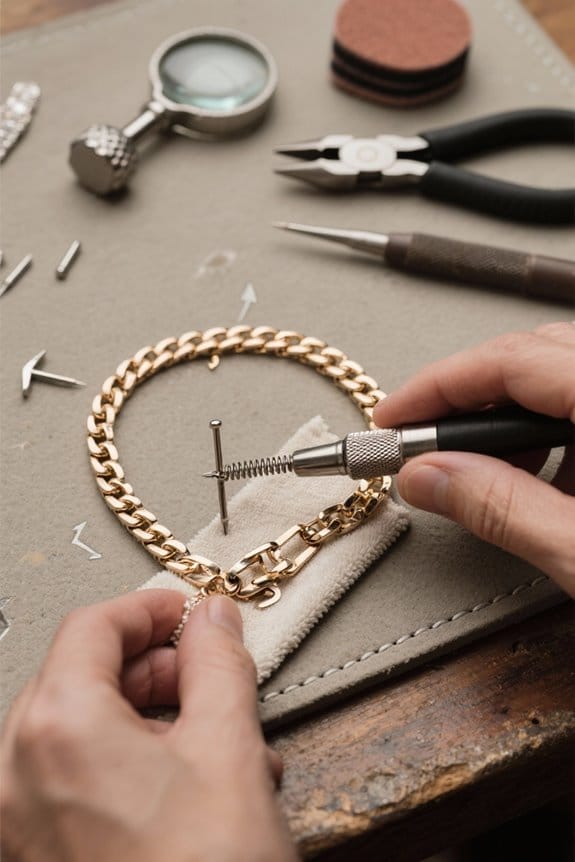
Resizing rings is a common practice that guarantees a comfortable and secure fit for the wearer. The resizing process typically involves two methods: downsizing and upsizing. For downsizing, a professional jeweler cuts the band, removing a part of the metal, and solders it to retain its integrity. Conversely, upsizing may require adding extra metal. Here, the jeweler carefully incorporates additional material to assure it fits perfectly, soldering it securely for durability. The type of metal affects these methods; softer metals like gold and silver are simpler to work with, while harder metals such as titanium and tungsten pose challenges. Ultimately, skilled jewelers can preserve the ring’s original design while accommodating size changes. It’s important to consider hypoallergenic properties when resizing rings, as they reduce the risk of skin irritation for those with sensitive skin.
Recommended Products

SOLID 10K YELLOW GOLD – Crafted from solid 10K yellow gold, this wedding band offers the lasting value of real gold in a timeless design made for everyday wear. Not plated, gold filled, or gold-tone. Nickel-free and hypoallergenic for sensitive skin.

Product Type: Handmade Moissanite Ring for Women
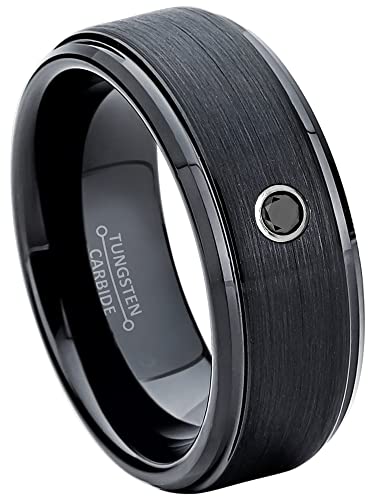
8MM Brushed Finish Black Ion-Plated Comfort Fit Tungsten Carbide Ring with 0.05ct Black Diamond Accent. Stpped Edge Mens Tungsten Wedding Band Anniversary Ring
Choosing the Right Jeweler for Resizing

When beginning the journey of ring resizing, selecting the right jeweler is vital for achieving a flawless result. Prioritize jewelers with considerable experience in resizing various types of rings, as their expertise helps minimize potential damage. Jewelers with an on-site repair shop often have the modern tools necessary for precise resizing, enhancing durability. It’s wise to seek recommendations from friends or browse online reviews to identify jewelers with a proven track record in resizing. Effective communication is important; jewelers who answer questions clearly demonstrate professionalism and commitment to customer satisfaction. Additionally, inquire about the resizing process to guarantee the jeweler can maintain the ring’s original appearance. Sterling silver jewelry is known for its hypoallergenic properties, making it a popular choice for individuals with sensitive skin. Ultimately, choosing the right jeweler can greatly impact the quality and durability of the resized ring.
Potential Risks Associated With Resizing
The delicate nature of jewelry often requires careful consideration when resizing rings, as various potential risks can arise throughout the process. It’s essential to recognize that resizing damage can vary based on the ring’s structure or design and metal type. Intricate designs, for instance, may be more susceptible to issues, while brittle metals like rose gold can crack easily. Additionally, rings with gemstones carry the risk of misalignment or damage to settings if stones aren’t removed securely. Eternity rings present a significant challenge since their continuous gemstone arrangement makes resizing nearly impossible without compromising the overall design. Resizing can also impact durability considerations as thin designs may not satisfy preferences for chunkier jewelry but offer a timeless aesthetic. Ultimately, understanding these risks helps in making informed decisions about ring size alterations to preserve both beauty and durability.
Types of Rings That Cannot Be Resized
Understanding which types of rings cannot be resized is essential for anyone considering alterations to their jewelry. Eternity rings, adorned with continuous gemstones, cannot be resized without jeopardizing the stones’ integrity and beauty. Tension rings, which depend on pressure to secure the stone, may lose their effectiveness if resized, risking the diamond’s security. Brittle metals like rose gold are vulnerable to cracking during resizing, making alterations unwise. Additionally, rings with complex designs may face significant challenges during resizing, often requiring specialized techniques that aren’t always feasible. Finally, materials such as titanium, tungsten, and stainless steel cannot be resized due to their hardness, requiring alternative sizing solutions. This knowledge can help guarantee the longevity of treasured jewelry pieces. Stackable designs offer versatility in style and sizing, allowing for a personalized look without the need for resizing.
Recommended Products

Premium Material: We make quality products that are designed to last long.

Custom Milled Titanium Ring
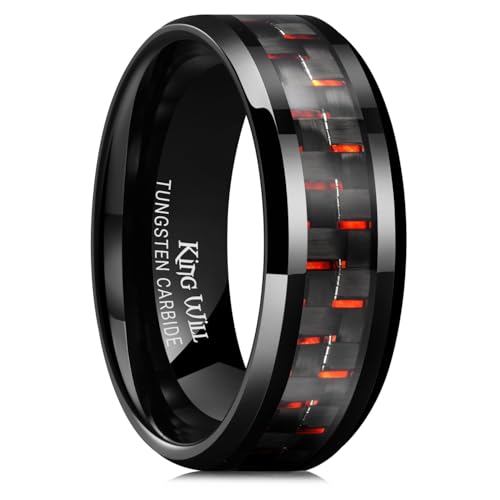
PREMIUM TUNGSTEN CARBIDE: Forged from premium tungsten carbide, this mens ring combines rugged durability with refined craftsmanship, textured, non-tarnish and durable
Alternatives to Traditional Resizing Methods
While resizing a ring might seem like the straightforward solution for achieving the perfect fit, several alternatives can provide effective solutions without compromising the ring’s integrity. Sizing beads, for instance, consist of small metal spheres soldered inside the band. These create a snug fit without altering the ring’s size permanently. Ring guards are adjustable devices that encircle the band, offering a simple way to secure loose rings. Spring inserts allow the ring to slide over the knuckle but spring back to fit snugly. For hard-to-resize materials, considering a new band replacement could be beneficial. Ultimately, consulting with a jeweler can help identify the best alternative for specific rings need, ensuring comfort and security for the wearer. When selecting alternative sizing options, it’s important to consider hypoallergenic materials for those with sensitive skin.
Recommended Products

QUALITY AND DESIGN - 18K White Gold; Aquamarine Color: Blue; Creation: Natural; Treatment: Heat-treated; White Diamond Color: I-J; Clarity: I1-I2; Primary Cushion Natural Aquamarine Size: 6.00mm (approx); Round Natural White Sapphire(s) Size: 2.60mm each (approx); Round White Diamond(s) Weight: 0.06 Carat; Product Width: 6.30mm (0.25 inch); Model Number: K6339-18KW

Other ring sizes may shipped sooner. Most rings can be resized.

This Lovely Alternate Diamond Wedding Ring Band is a piece of jewel that will certainly amaze you which is Crafted in 14K White Gold Diamond Color: Black & Clarity: Opaque; White Diamond Color: I-J & Clarity: I1-I2; Total Diamond Weight: 0.40 Carat
Impact of Resizing on Gemstones and Settings
Resizing a ring can pose significant challenges, particularly when gemstones are involved. When the band size changes, stress can inadvertently affect the settings, which may lead to misalignment or even damage to the stones. For intricate rings or those with softer gemstones, such as opals or pearls, removal of the stones prior to resizing often becomes necessary. This step helps preserve their integrity during the process. Additionally, after resizing, soldered spots may endure reduced durability, raising concerns about the strength of gemstone settings. It’s vital to maintain the ring’s original design and guarantee that gemstones remain securely set and aesthetically aligned throughout resizing. By approaching resizing cautiously, one can avoid potential complications related to gemstone durability and overall integrity. When considering a mesh band watch, it is important to evaluate band material quality for comfort and durability, which can be a critical consideration during any resizing or adjustment.
Recommended Products

【Professional Ring Stretcher for Resizing & Enlarging】State-of-the-art ring stretcher kit designed to safely and permanently enlarge ring sizes from US 1 to 14. Unlike flimsy adjusters, our tool professionally stretches metal bands for a perfect, lasting fit on tight rings.

【DUAL-ACTION PROFESSIONAL PERFORMANCE】Experience unparalleled versatility with our heavy-duty tool engineered for both stretching and reducing ring sizes. The robust vertical lever mechanism generates significant, controlled force to safely expand rings up to several sizes, while the reversible base with precision dies allows for accurate sizing down, making it an all-in-one solution for any ring adjustment task.

16-IN-1 COMPLETE RING MAKER KIT:Complete set for professional ring crafting, including 6 nylon/iron dies, ring stretcher, rubber hammer, ring mandrel, pliers, protective gloves and full finishing accessories. Ideal for beginners and professional jewelers
Maintaining Ring Durability After Resizing
Maintaining the durability of a ring after resizing is vital for preserving its aesthetic and functional qualities. Resizing rings, particularly those with intricate designs, can potentially weaken soldered spots, risking breakage. To guarantee durability post-resize, measuring your ring size accurately is essential. Professional jewelers can maintain the ring’s structural integrity by preserving stone placement and design details. The type of metal also plays a considerable role; soft metals such as gold and silver typically withstand resizing better than harder metals like titanium. Resizing can be safely done up or down by two sizes without compromising durability considerably. Regular assessments of resized rings, focusing on soldered areas and gemstone settings, help guarantee ongoing durability and highlight the need for further adjustments. Adjustable options enhance fit for comfortable wear, allowing for resizing flexibility without compromising the ring’s structural integrity.
Frequently Asked Questions
Does Resizing a Ring Smaller Damage It?
Resizing a ring smaller can potentially damage it, particularly if improper techniques are employed. Professional jeweler advice emphasizes considering ring material impacts and recognizing signs of discomfort, while debunking common resizing myths and promoting jewelry maintenance tips.
What Is the 3 Month Rule for Rings?
What guarantees the perfect ring fit? The 3-month rule for rings advises waiting after significant changes before adjusting size. This allows for accurate assessment of finger size and enhances comfort, minimizing potential damage during resizing processes.
When Should a Ring Be Resized?
A ring should be resized when signs of tightness appear, or comfort diminishes. Seasonal changes and lifestyle factors warrant evaluation, while professional advice guarantees proper resizing for ideal fit and security throughout various life stages.
Does .25 Make a Difference in Ring Size?
Does a 0.25 size difference truly matter? Absolutely. Size differences influence ring comfort and fit, while material considerations and measurement methods affect resizing costs. Exploring alternatives and proper jewelry care can enhance overall satisfaction with one’s ring.