As an Amazon Associate, we earn from qualifying purchases. Some links on this site are affiliate links at no extra cost to you. Our recommendations are based on thorough research and editorial judgment.


Clean Rubber and Nylon Straps Without Damage

Cleaning rubber and nylon straps is essential for hygiene and longevity. To clean rubber, remove the strap and use mild dish soap mixed with warm water. Gently wipe with a soft cloth and rinse thoroughly. For nylon, soak the strap in soapy water, scrub with a soft-bristled toothbrush, then rinse well. Always air dry completely before reattaching. By following these methods, users can avoid damage while ensuring their straps remain fresh and durable. Discover more effective techniques following this guide.
Key Takeaways
- Always remove the strap from the watch before cleaning to prevent damage to the watch itself.
- Use a solution of mild liquid soap and warm water for safe and effective cleaning without harming materials.
- For rubber straps, gently scrub with a soft cloth and rinse thoroughly with lukewarm water to prevent degradation.
- For nylon straps, soak in the cleaning solution and use a soft-bristled toothbrush for detailed scrubbing, rinsing well afterward.
- Avoid harsh chemicals and chlorinated water, as they can harm both rubber and nylon straps over time.
Why Cleaning Rubber and Nylon Straps Is Essential
You may be interested



Cleaning rubber and nylon straps is not just a matter of aesthetics; it is crucial for hygiene and longevity. Regularly cleaning a rubber watch strap helps eliminate dirt buildup, oils, and sweat, preventing unpleasant odors and skin irritation. Likewise, nylon watch bands should be maintained to avoid mold and mildew, which pose health risks. Cleaning these straps not only keeps them looking new, but it also maintains their durability and flexibility. For rubber straps, dirt accumulation can diminish their appearance and function, while nylon requires careful attention to prevent fraying and guarantee effectiveness. Routine maintenance is the key to comfort and long-term usability, making regular cleaning a significant aspect of strap care. Using hypoallergenic materials in nylon bands can further enhance comfort for those with sensitive skin.
Necessary Supplies for Cleaning

For maintaining the cleanliness of rubber and nylon straps, having the right supplies on hand is key to achieving the best results. Begin with mild liquid soap or detergent, which effectively cleans without causing damage. Next, warm water is essential for mixing with the soap and rinsing the straps thoroughly. A soft-bristled toothbrush is invaluable for tackling dirt and stains in hard-to-reach areas. After cleaning, a lint-free cloth is necessary for drying, ensuring no lint is left behind. For tough stains, baking soda can be an effective additional agent, enhancing overall cleanliness. Always opt for non-abrasive materials to protect the surface of the straps. Together, these supplies will provide an excellent cleaning experience. Additionally, 925 Sterling Silver Necklaces should not be exposed to water during cleaning to prevent tarnishing and ensure their lasting shine.
Recommended Products
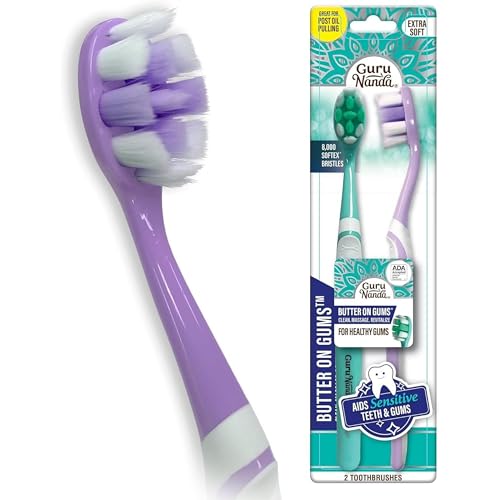
ADA ACCEPTED FOR SENSITIVE GUMS: The GuruNanda Butter on Gums Toothbrush is ADA Accepted, meeting high oral care standards. With 8000+ Softex ultra-soft bristles, it’s ideal for sensitive gums—effectively helps remove plaque & gently polishes teeth
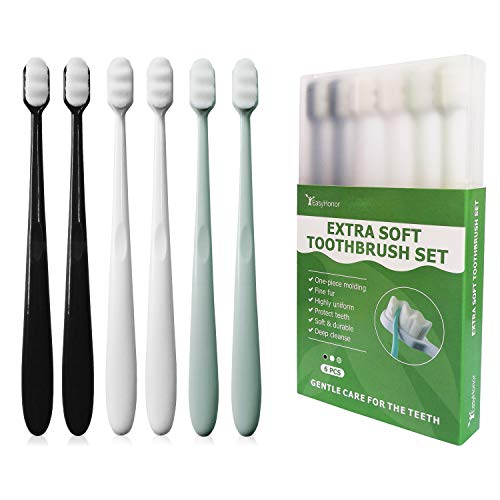
【ULTRA SOFT】Using Japanese soft toothbrush technology, more than 20,000 micro fine bristles are much thinner than other soft bristles which thicknesses at 120μm, fine and soft, deep oral cleaning, designed for sensitive teeth.

Includes two (2) Colgate Sensitive Expert Ultra Soft Toothbrushes, Extra Soft Toothbrushes for Adults
Step-by-Step Process for Cleaning Rubber Straps
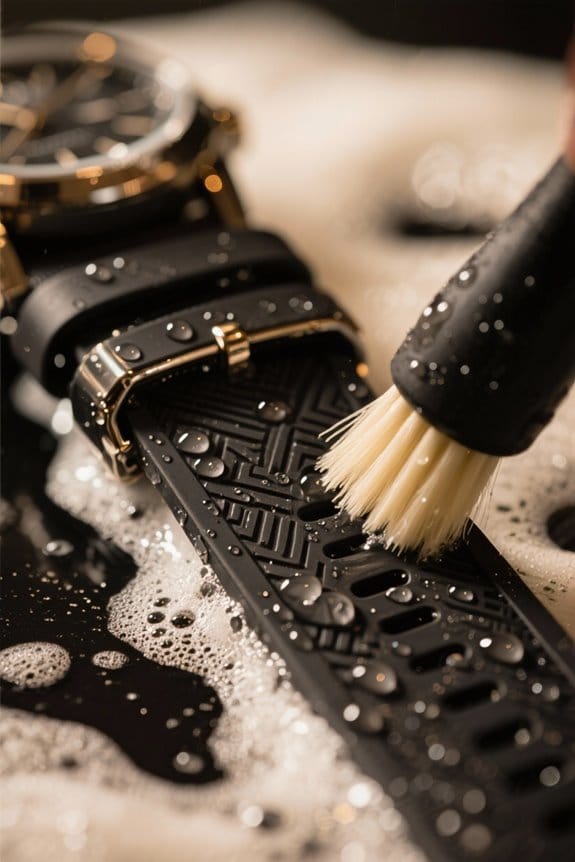
Rubber straps require a careful cleaning approach to maintain their durability and appearance. Begin by removing the strap from the watch and filling a bowl with warm water. Add a few drops of dish soap to create a soapy water solution. Gently wipe down the rubber strap with a soapy cloth to remove surface dirt. For deeper cleaning, soak the strap for a few minutes, then scrub it with a soft bristle toothbrush in circular motions. After scrubbing, rinse the rubber strap thoroughly under lukewarm water to guarantee all soap residues are removed. Finally, dry the strap with a microfiber or cotton cloth and allow it to air dry completely before reattaching it to the watch. Regular maintenance ensures the longevity and optimal function of rubber straps, aligning with the importance of caring for quartz watch components.
Recommended Products

ADVANCED MICROSUDS SCIENCE: WristClean's Watch Cleaning formula includes Microsuds Tech to help mitigate micro-marring while being gentler on waterproof gaskets. Better protection for your watch.

DEEP CLEAN: Reach into intricate ring settings and watch bands to remove dirt oils and buildup where residue collects

This all-in-one watch cleaning kit is a professional timepiece care set, packing all essential tools to keep watches pristine—no separate tool purchases needed. It works for all watch types, making this watch cleaning kit a versatile pick for any watch owner.
Cleaning Method for Nylon Straps

After ensuring rubber straps are cleaned to maintain their condition, nylon straps also deserve a thorough cleaning to keep them looking fresh and lasting longer. To begin, remove the strap from the watch and use a soft damp cloth to eliminate excess grime. Next, mix gentle dish soap with warm water to create a cleaning solution. Submerge the nylon strap in this soapy water and scrub the nylon gently with a soft toothbrush, focusing on dirty areas like pin holes and edges. After scrubbing, rinse the strap thoroughly with clean water to remove soap residue. Finally, towel dry as much as possible and air dry the strap in a well-ventilated area, avoiding direct sunlight for best results. Regular cleaning keeps the strap in prime condition. Consider the importance of high-quality materials when selecting items that require regular maintenance, as they ensure durability and longevity.
Recommended Products

EASY SWAP: No need to remove spring bars to swap different color combinations in and out. Swap in seconds for a new look daily!
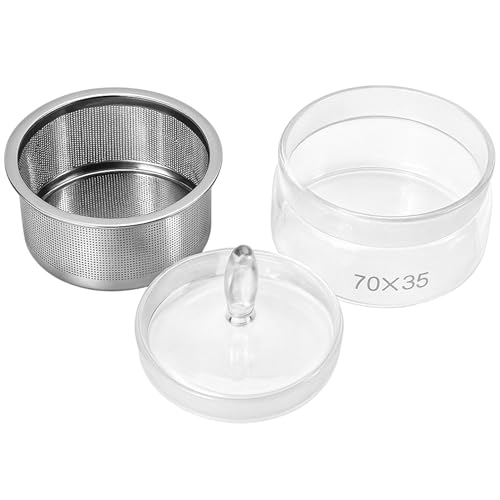
Efficient Filtration Feature: Made of premium glass and a sturdy stainless-steel mesh insert, this jar offers excellent wear resistance and long-term reusability for precision work. It’s ideal for holding small screws, tiny components, wrist accessories, replacement parts, and earrings.

Packing List: You will receive 6 pieces of white watch band keepers in the package, sufficient quantity to meet your daily use and needs.
Tips for Stubborn Stains
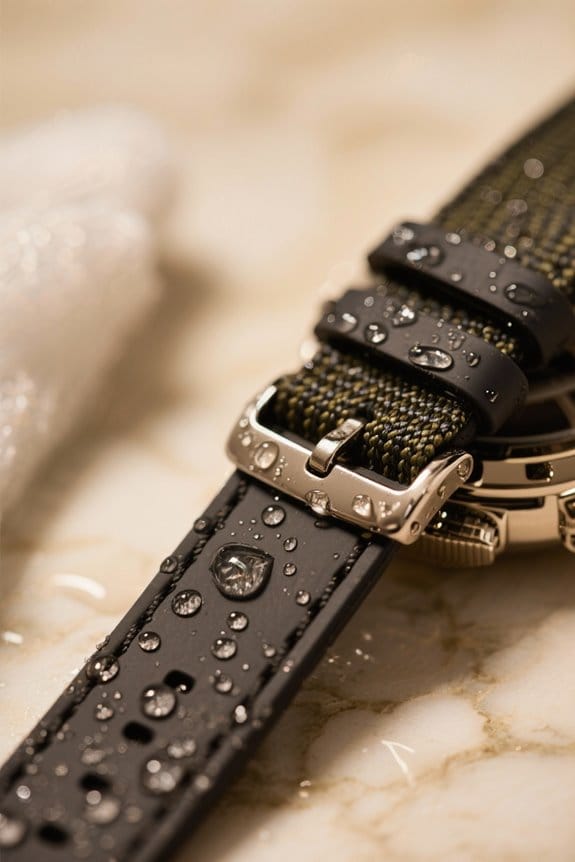
While stains on straps can be a frustrating challenge, there are effective methods to restore their appearance without harsh chemicals. For stubborn stains on rubber straps, using a small amount of toothpaste applied with a soft toothbrush can help, as its mild abrasives gently lift dirt. A paste made from baking soda and vinegar is equally potent; apply it, let it sit for a few minutes, then rinse thoroughly. Soaking rubber or nylon straps in warm soapy water loosens ingrained dirt before a gentle scrub. If black rubber becomes discolored, a magic eraser may restore its whiteness, but testing a small area first is essential. For nylon, a mixture of dish detergent and warm water helps clean watch bands looking fresh. When choosing a watch, consider the importance of water resistance ratings to ensure the strap’s durability and suitability for various activities.
Recommended Products

Product Content: You will receive 4 pieces of double ended nylon cleaning brushes, enough quantity to meet your various use needs.
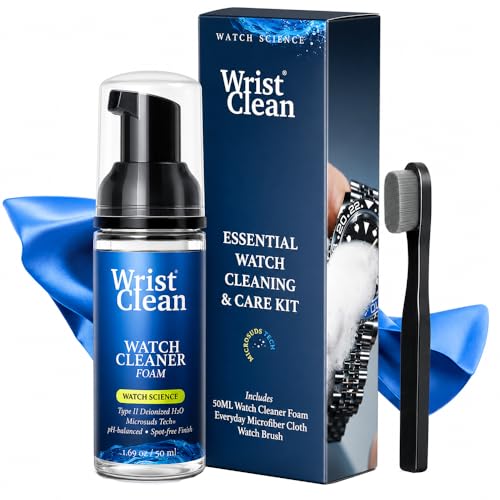
WORLD-CLASS FORMULA: Watch Cleaner Kit designed for watches - pH-balanced, water-based, gentler on waterproof gaskets. Film-free results; preserve factory finish. Ultimate watch & cleaning kit
Best Practices for Drying
To achieve the best results when drying rubber and nylon straps, it is essential to follow a few key practices. First, after cleaning, always pat the straps dry with a lint-free cloth to remove excess moisture without causing damage. Avoid using heat sources, like hairdryers or direct sunlight, as these can warp or degrade the material. Instead, make sure that straps are air-dried completely in a well-ventilated area to prevent bacterial growth and odors. Hanging the straps facilitates even drying throughout. By employing these methods, one can maintain the integrity of rubber and nylon watch straps, greatly extending their lifespan. Proper drying not only preserves the appearance of the straps but also enhances their durability and overall performance. When caring for slide charm bracelets, it’s important to consider the compatibility of different materials to ensure they remain in top condition.
Maintenance Tips for Longevity
Maintaining rubber and nylon watch straps is essential for their longevity, particularly because these materials can be sensitive to environmental conditions and everyday wear. Regularly cleaning the straps, especially after workouts, helps prevent dirt buildup and odor. When washing, make sure to rinse them thoroughly to remove any soap residue. Using the right tools, like a soft cloth and a gentle scrub brush, is vital for effective maintenance. It’s also important to store the watch and straps in a cool, dry place, away from direct sunlight and moisture. To avoid long-term damage, steer clear of harsh chemicals and limit exposure to chlorinated water. High-density rubber is recommended for durability, comfort, and breathability in watch straps. By following these maintenance tips, one can greatly extend the life of rubber and nylon straps.
Recommended Products

Watch Brush Spec: Watch cleaning kit has 5 different sizes and shapes watch cleaning brushs. You can choose different brushes according to different detailed cleaning requirements to make cleaning cleaner and more efficient, which is an ideal watch brush

Package Includes: 2 Pack Watch Brush for comprehensive cleaning needs
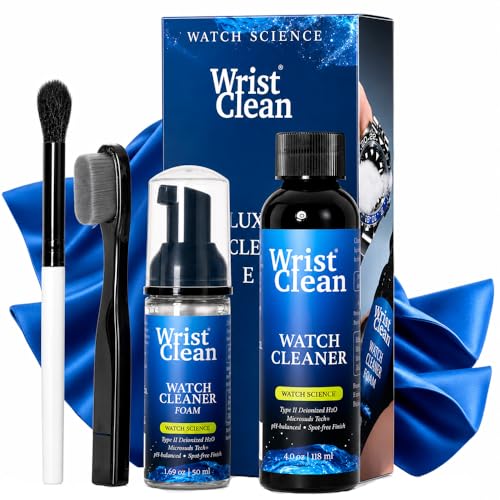
ENGINEERED FOR BETTER PROTECTION: WristClean's Watch Cleaning Solution & jewelry cleaner solution contains Microsuds Tech to reduce scratches while cleaning & being gentler on waterproof gaskets
Frequently Asked Questions
How to Clean Nylon Straps?
To clean nylon straps, use effective cleaning methods like a soapy solution, employing gentle scrubbing techniques. After rinsing, drying techniques such as air drying should be implemented, ensuring colorfastness and maintaining strap integrity.
How Do You Clean Rubber Without Damaging It?
Approximately 70% of rubber damage stems from improper cleaning techniques. To preserve quality, utilize gentle rubber care products, effective tools like soft brushes, avoid harsh chemicals, and follow proper drying methods for ideal maintenance.
How to Clean Rubber Straps?
To clean rubber straps, employ DIY cleaning methods using mild soap and water. Follow rubber maintenance tips for stain removal techniques; consider protective coatings afterwards to enhance strap longevity and guarantee effective rubber strap care.
What Should You Not Clean Rubber With?
Avoid cleaning rubber with abrasive cleaners, harsh chemicals, acetone solutions, bleach products, or strong solvents. High temperatures and scrubbing pads are also detrimental, as they can erode the material’s integrity like a fading sunset.


